The Impact of Everyday Hydration Habits
Waking up with the best of intentions, you might fill a water bottle, take sips throughout the day, and assume you are well-hydrated. Yet, by mid-afternoon, fatigue sets in, your skin feels dull, and concentration may waver. If this sounds familiar, you are not alone. Many people struggle with hydration not because of water quantity, but because of how they drink it. Hydration is not just about drinking enough; when, how, and even what kind of container you use matters. Small, often unnoticed habits could be preventing your body from truly benefiting from water. The good news: correcting these routines is simple and worthwhile.
Why Proper Hydration Matters More Than You Think
Water is essential to how our bodies function, from digestion and temperature regulation to transporting nutrients and supporting brain activity. Even mild dehydration can impact mood, mental focus, and energy. It’s common to reach for coffee or snacks, but sometimes your body simply needs water to function at its best. However, drinking water incorrectly may cause your body to eliminate fluids too quickly or prevent them from reaching your cells efficiently. Let’s look at common mistakes and how to avoid them.
The 5 Most Common Hydration Mistakes
1. Not Spreading Water Intake Throughout the Day
This is perhaps the most overlooked habit. Drinking large amounts in the morning, only to forget for hours and then compensate at night, disrupts hydration balance. The body operates best with a steady supply. Regular sips allow your muscles, skin, and brain to draw consistent benefits, so keeping hydration levels stable is crucial for physical and mental energy.
2. Waiting Until You Are Thirsty
Relying solely on thirst often means you’re already mildly dehydrated. Signs such as irritability, slight headache, or difficulty focusing can show up before obvious thirst. For older adults, thirst signals might be less noticeable, making proactive hydration even more important. Try to drink water regularly, even before you feel parched.
3. Drinking Too Much Water All at Once
Going hours without water and then consuming a large amount quickly can backfire. Your kidneys have a limited rate for processing fluid, so excess may be eliminated before the body can use it, potentially washing out beneficial minerals. Small, regular sips are more effective and less likely to lead to bloating or discomfort.
4. Only Drinking Very Cold Water
A cold glass of water is refreshing, especially after exercise or on hot days. While enjoying cold water occasionally is fine, always choosing icy temperatures can slow digestion and, for some, induce discomfort. Drinking water at room temperature is generally gentler for daily hydration. Varying temperatures according to your needs often works best.
5. Using Disposable Plastic Bottles for Convenience
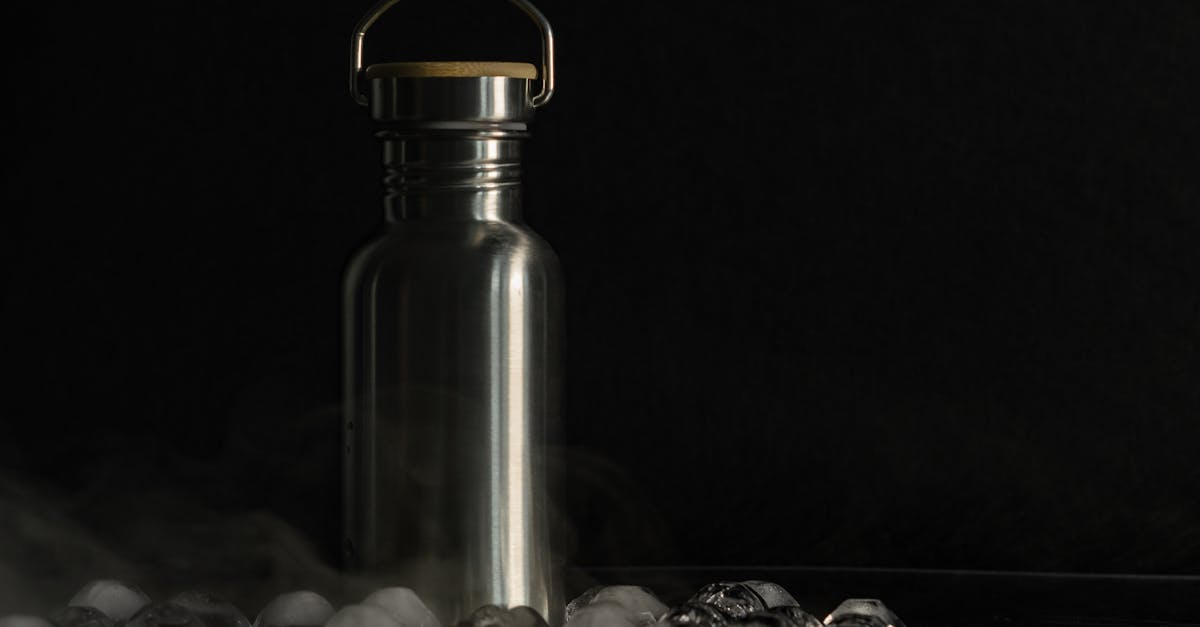
Grabbing bottled water on the go is convenient, but reusing plastic bottles or exposing them to heat may allow certain chemicals to leach into your drink. Even bottles labeled BPA-free are not always ideal for long-term or repeated use. Many people notice improved hydration habits when switching to glass or stainless steel bottles, as these materials are reusable and encourage more mindful drinking.
Real-Life Changes, Noticeable Differences
Simple changes can make a big impact. Laura, who works in an office, switched her plastic bottle for a stainless steel one and set gentle reminders to drink water every hour. She soon experienced fewer headaches and better focus. Jorge balanced his water intake throughout the day and stopped relying solely on cold water after workouts, resulting in less bloating and steadier energy.
Quick Reference: Better Hydration Choices
- Disposable plastic bottles: Convenient, but not ideal for ongoing use
- Glass or stainless steel bottles: Reusable, durable, promote mindful hydration habits
- Room temperature water: Gentler on digestion and ideal for routine consumption
- Cold water: Refreshing for certain moments, but best not as the constant choice
Simple Steps to Support Better Hydration
- Begin your day with a glass or two of water after waking up
- Choose a reusable bottle you enjoy using and keep it nearby
- Sip water every 30 to 60 minutes rather than in large amounts at once
- Don’t wait for intense thirst to remind you
- Monitor your urine color—pale yellow usually suggests good hydration
- Adjust your intake to suit climate, activity, and age
There is no perfect amount for everyone, but many people feel their best with around two to three liters a day, including water from foods and other drinks. Remember, sensible hydration is about listening to your body and building smart habits, rather than following rigid rules. Whenever in doubt, or if you have ongoing symptoms or health conditions, it’s important to consult a healthcare professional.