Understanding the Real Issue: Why Balance Matters More Than a Number
Many people are surprised when blood tests reveal high cholesterol, especially when they feel perfectly healthy. While it may not cause obvious symptoms, having imbalanced cholesterol—particularly an elevated LDL (often called “bad” cholesterol) and low HDL (the “good” cholesterol)—can silently impact cardiovascular health over time. Cholesterol itself isn’t inherently harmful; it’s vital for cell membranes, hormone production, and digestion. The real problem is an unhealthy balance that leads to buildup in arteries. By targeting the underlying habits affecting these markers, you can start improving your health—even before symptoms appear.
9 Practical Habits to Support Healthier Cholesterol
Below you’ll find nine realistic, achievable changes—each with a clear action and explanation. Rather than a quick fix, these steps focus on sustainable progress. Consider where your cardiovascular health stands today, then pick one or two habits to start building a better routine.
9. Reduce Processed Foods, Embrace Whole Ingredients
Frequent consumption of ultra-processed snacks (think chips, pastries, or food with many additives) can burden your system with excess sugar, salt, and unhealthy fats. Swap out one processed item per day for real food like fresh fruits, vegetables, beans, oats, moderate portions of whole grains, fish, eggs, or seeds. Many people notice fewer cravings and more stable energy with this simple shift.
8. Choose Soluble Fiber: Nature’s Cholesterol Helper
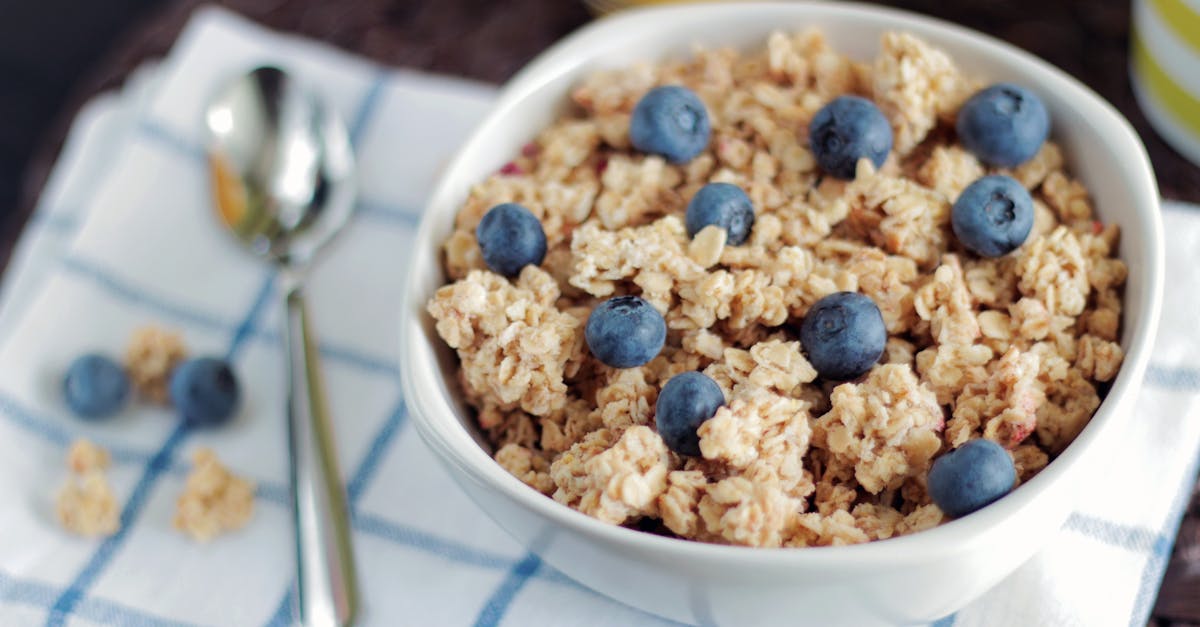
Soluble fiber can help bind cholesterol in the digestive system, assisting its elimination. Oats, apples, pears, legumes, and certain seeds are rich in soluble fiber. Incorporating oatmeal at breakfast or beans at lunch frequently—even if just a few times a week—may help your cholesterol profile. Better yet, fiber keeps you fuller for longer, which supports other healthy habits.
7. Don’t Fear Fats—Focus on Better Types
Not all fats are created equal. Healthy sources like extra virgin olive oil, avocado, nuts, and seeds tend to fit better in heart-friendly eating patterns. Instead of cutting fat completely, replace regular use of lard, frequent frying, or reheated oils with these alternatives. The goal is not to consume excessive oil but to use healthy fats intentionally.
6. Move More—30 Minutes Makes a Difference
Regular physical activity can help raise HDL cholesterol and support overall cardiovascular health. Aim for at least 30 minutes each day. Walking, dancing, cycling, or swimming are excellent choices. If needed, break it into three 10-minute sessions. Consistency is more important than intensity—keep it realistic and enjoyable.
5. Manage Stress for Better Lipid Control
Chronic stress can contribute to habits and biochemical changes that negatively affect your cholesterol profile. Even brief moments of deep breathing can help. Try a three-minute relaxation exercise each morning or before bed: breathe in slowly for four seconds, then exhale gently for six to eight seconds. These small routines may become powerful when practiced regularly.
4. Prioritize Good Sleep—Support Your Body’s Rhythm
Poor sleep can make it harder to control cravings, keep energy stable, and maintain motivation for physical activity. Establish a gentle nighttime routine: have a lighter, earlier dinner, limit screens for the last 30 minutes, and enjoy calming music or herbal tea. Building healthy sleep habits may make the rest of your goals more achievable.
3. Limit Added Sugars and Refined Carbs
While many focus on fat, high sugar and refined flour intake can silently raise triglyceride levels and negatively impact cholesterol ratios. Reducing sweets or pastries even just a few days per week—replacing them with fruit, plain yogurt, or a small portion of nuts—can be a smart adjustment. Remember, this is about making balanced, reasonable swaps, not rigid restrictions.
2. Stay Hydrated—Support Your Routine
Inadequate hydration can sometimes mask itself as hunger or fatigue. Drinking water throughout the day can help regulate appetite, support digestion, and maintain energy. Consider a glass upon waking, mid-morning, before lunch, and in the afternoon—adjusting as needed for your body’s needs and health conditions.
1. Build a Simple, Measurable Routine—Consistency Wins
Trying to overhaul everything at once is rarely successful. Instead, create a basic daily framework: breakfast with fiber, wholesome lunch, daily walk, earlier light dinner, and a bedtime routine. Simple systems are easier to stick with, even during busy times, leading to meaningful long-term changes in cholesterol and well-being.
Real-Life Stories: Small Shifts, Noticeable Results
Marta, 52, started with elevated LDL. She didn’t change everything—just added oatmeal for breakfast several times a week, more walks, and fewer processed foods. Soon, she felt lighter and more energized. Raul, 64, thought his habits were normal, but frequent late dinners and sugary drinks left him sluggish. By switching to water most days and incorporating nighttime breathing exercises, sleep improved, making other changes easier and more natural.
A Responsible Reminder
While steady lifestyle changes can support improved cholesterol levels for many people, persistent or severe symptoms should always be discussed with a healthcare professional. For personalized advice, testing, and treatment, consult your doctor or a registered health expert.