Why Do Nails Become Weak and Brittle?
Broken nails at the wrong moment? Whether opening a can or adjusting your hair, fragile nails can be frustrating—often blamed on age or bad luck. However, the reality is more nuanced, especially for women over 45, who may notice their nails splitting, thinning, looking dull, or growing unevenly. While nail polish might cover the problem temporarily, the underlying issue usually returns, leaving many searching for a lasting solution.
The Real Reason: Daily Nail Building Blocks
Think of your nails as a wall: if it starts cracking, it’s likely missing essential materials—bricks, cement, or just time to set. In nails, those materials are proteins, minerals, and vitamins, which together form keratin, the main structural component. When your diet lacks one or more of these nutrients, your body focuses on other priorities, and nails can show the effects. Nail improvement takes time and consistency; what you eat and do today impacts nail growth for weeks.
Beyond Diet: Habits Matter
Exposure to detergents, sanitizing gels, excessive moisture, sunlight, acetone, and even thyroid imbalances also contribute to nail health. Still, diet and daily routines remain the foundation for resilient nails.
The Nine Essential Nutrients Your Nails May Need
9. Biotin: The Keratin Enhancer
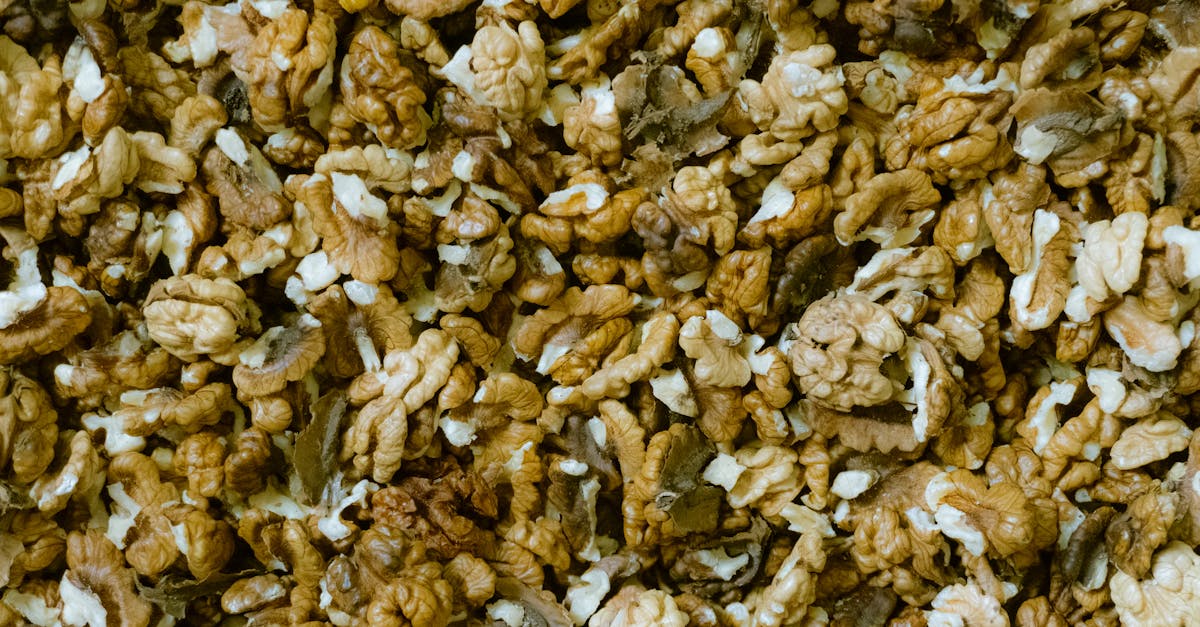
Biotin (vitamin B7) is linked to keratin support, a crucial factor for nail strength. Integrating foods like eggs and a small handful of nuts or almonds at breakfast can help. There is no need for excess—regular, moderate portions are more effective than overdoing it.
8. Iron: For Stronger, Less Fragile Nails
Pale, easily cracked nails may signal low iron, which is often overlooked or confused with stress. If fatigue accompanies weak nails, adding lentils and beans—paired with a splash of lemon juice—could be beneficial. Vitamin C from lemon assists the body in absorbing iron from plant sources, making this combination both tasty and functional.
7. Zinc: Quick Support for Nail Repairs
Zinc helps with tissue repair, including nails and skin. Foods like pumpkin seeds, seafood, and beans are excellent sources. Consistent, small daily additions to your meals can make a difference over time.
6. Protein: The Nail’s Core Building Block
Nails are largely made of protein, so inadequate intake leaves them thin and weak. From eggs, chicken, and fish to lentils, beans, and yogurt, including a true portion of protein in your meals several times per week can support nail construction.
5. Omega-3: Combat Dryness from Within
If your nails feel dry, look dull, or your cuticles are rough, healthy fats like omega-3 may help. Adding chia seeds to yogurt, oatmeal, or water—or eating fish when possible—may result in visible improvement, though this process is gradual and works from the inside out.
4. Vitamin C: Collagen’s Best Friend
Vitamin C supports collagen formation, which is vital for healthy skin, cuticles, and the structural integrity of nails. Think lemons, guavas, bell peppers, and tomatoes. These foods also assist in iron absorption, especially from plant-based sources.
3. Silicon: The Overlooked Mineral
Silicon is linked to tissue strength, but few focus on it. You can easily include it with oats, whole grains, and certain vegetables. Simple breakfast changes—like regularly choosing oatmeal with banana and seeds—may contribute to stronger nails.
2. Calcium and Vitamin D: The Supportive Duo
While best known for bone health, calcium and vitamin D help the body maintain overall balance, potentially benefiting nail growth too. Dairy products, sardines (with bones), leafy green vegetables, and safe sun exposure are natural sources. If you have limited sun exposure, discuss your needs with a healthcare professional.
1. The Key: Combine and Be Consistent
The real secret is to address these nutrients strategically, not randomly. Many can be found in everyday kitchen staples—no supplements required for most people. Regularly including these items in your diet is more effective than chasing miracle products.
When to Seek Professional Advice
If your nails remain brittle, unusually thin, or fragile despite these changes—or if you notice other symptoms—it is important to consult with a healthcare professional to rule out underlying conditions or deficiencies.