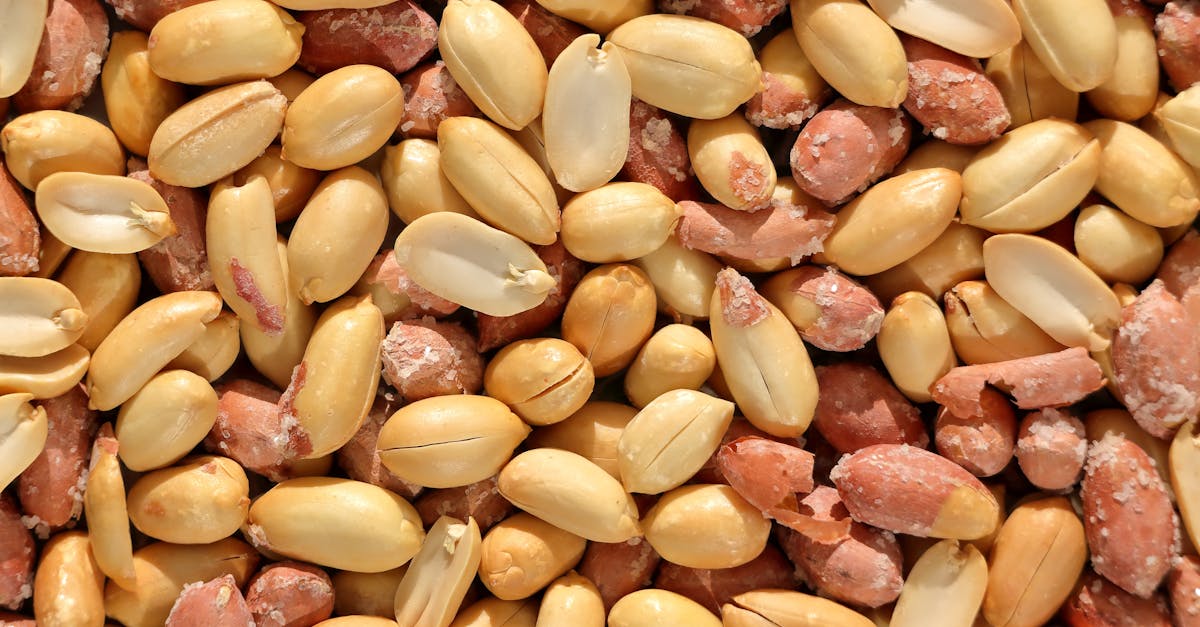
Peanuts: A Daily Snack With Surprising Effects
Many people enjoy peanuts as a simple, crunchy snack or mix them into breakfast and salads, but few are sure if they’re as healthy as they seem. While peanuts are often celebrated for their nutrients, medical research reveals both potential benefits and important cautions. Knowing how peanuts impact your well-being can make a real difference in how you include them in your diet.
The Mixed Reality: Nutrients, Risks, and Myths
Peanuts are technically legumes, packed with protein, healthy fats, and fiber. They’re a popular choice for anyone seeking affordable foods to manage weight or blood sugar. However, confusion surrounds their impact—while moderate portions may be helpful, too much may worsen allergies, digestive issues, or lead to unexpected weight gain due to their calorie content. Understanding how your body responds to peanuts is key to enjoying the benefits while minimizing risks.
Peanuts May Boost Satiety
For people who often feel hungry between meals, peanuts may help. Thanks to their protein, fiber, and healthy fats, they can promote a sense of fullness for longer. Many have noticed less snacking when adding a handful to their breakfast, and studies suggest peanuts may help stabilize energy levels by slowing digestion.
Potential to Support Blood Sugar Control
Replacing sweets with peanuts could help you avoid drastic sugar highs and lows. Research associates regular peanut consumption with a lower risk of type 2 diabetes, especially when substituting animal proteins. They may also slow carbohydrate absorption, helping maintain steadier blood sugar levels when included in balanced meals.
Heart Health Connection
Peanuts contain monounsaturated fats and antioxidants, which numerous studies associate with lower LDL cholesterol and reduced cardiovascular risk. Some people report improved overall well-being after adding moderate portions of peanuts to their salads or snacks. However, results can vary and benefits depend on individual health and overall diet.
Gallstone Risk and Antioxidant Power
Observational research suggests that regular peanut intake may be linked to reduced gallstone risk, possibly by helping regulate cholesterol. Additionally, peanuts contain compounds like resveratrol, which may assist in reducing oxidative stress and inflammation, providing another potential benefit to daily well-being.
Affordable and Versatile Nutrition
Peanuts are a cost-effective protein source, commonly used in daily Mexican diets. Rich in vitamins E and B6, they can easily fit into healthy meal planning, especially compared to more expensive nuts or processed snacks.
Tips for Safe Peanut Consumption
Fresh, unsalted peanuts are best. A typical serving is 30-50 grams per day. Choose peanuts that are free from mold, as contaminated batches can harbor aflatoxins. For those with digestive sensitivities or a history of allergies, approach with care—consume a small amount first or consult a healthcare provider. Mixing peanuts with fruit or whole grains can enhance the nutrient profile of your meals.
Precautions You Should Not Ignore
- Do not exceed 50g per day to avoid excess calorie intake.
- Avoid peanuts if you have known allergies or are sensitive to mold or food additives.
- Monitor portion size if you have a history of gout or sensitive digestion.
- Peanuts may interact with blood thinners due to their vitamin E content—consult your healthcare provider if you are on such medications.
Individual reactions can vary. If you experience persistent or severe symptoms after eating peanuts, it is important to seek professional medical advice. Responsible choices can make peanuts a valuable addition to a balanced, varied diet, especially when consumed in moderation and combined with other whole foods.