Why Your Bones and Muscles Need More Than Calcium
If you wake up with creaky knees or find simple tasks like climbing stairs more challenging with age, you are not alone. After 45 – and especially over 60 – many people notice reduced strength, balance, and increased fatigue. This isn’t just lack of motivation; it’s biology. As we get older, muscle mass drops more rapidly, and without enough sun, protein, or movement, bones can become weaker too.
Social media is abuzz about so-called miracle seeds, but let’s be clear: no seed will magically rebuild bones or muscles. Instead, when included thoughtfully in your diet, seeds can provide minerals, healthy fats, and plant protein that support your body. Adding them to your routine can be a practical way to help fill nutritional gaps, especially for those who find it difficult to eat large meals.
9 Key Benefits Seeds Can Offer Your Body
1. More Minerals, Less Dependence on Supplements
Seeds such as pumpkin, sesame, and sunflower can contribute magnesium, zinc, phosphorus, and calcium, depending on the variety. They don’t replace a balanced diet but can help you get closer to your nutritional needs—one simple spoonful at a time.
2. Reducing Stiffness with Better Fats
Eating seeds rich in healthy fats can support anti-inflammatory eating patterns, especially if they replace fried or highly processed snacks. Regular swaps can contribute to less swelling and more comfort in joints over time.
3. Extra Protein Support for Muscle Maintenance
Some seeds offer plant-based protein and useful amino acids. While not all seeds are complete protein sources, they can still contribute to your daily protein intake—especially important if you eat little meat, eggs, or dairy.
4. Better Absorption if Consumed Properly
Certain seeds, like flax, are best consumed freshly ground for optimal absorption, while sesame is more bioavailable as tahini. This means you actually benefit from their nutrients, including improved digestion and regularity.
5. Stable Energy and Sugar Support
The fiber and healthy fats in seeds can help slow down blood sugar spikes after meals. This often leads to steadier energy and fewer cravings, which encourages more movement and, in turn, benefits bone and muscle health.
6. Happier Digestion—But Only in Moderation
Seeds can support gut health and regularity, but too much or too little water can lead to discomfort. Start with one tablespoon per day and always drink enough water.
7. Practical Strength for Everyday Living
Improved muscle tone isn’t just about aesthetics—it helps with standing up, carrying groceries, and staying steady. Combining protein, minerals from seeds, and basic strength exercises can make daily tasks easier as you age.
8. The Mineral Package for Bone Density
Bone health isn’t about calcium alone. Seeds like sesame and poppy are high in calcium, while others provide magnesium and zinc. These minerals work together with movement to help maintain bone density and strength.
9. The Real Miracle: Building Daily Habits
The true power of seeds lies not in their superfood status but in their ease of use. One simple spoonful a day is sustainable, and consistency over time is what makes a difference for your health.
The 10 Most Useful Seeds for Bones and Muscles
You don’t need to eat all of them at once—in fact, it’s better to focus on one or two types per day. Here are ten seeds renowned for their practical nutritional benefits:
- Pumpkin seeds (pepitas): Rich in magnesium and zinc; enjoy raw or lightly toasted, unsalted.
- Sunflower seeds: High in vitamin E and selenium; choose natural, unsalted options.
- Sesame seeds: Excellent source of calcium and magnesium; use ground or as tahini.
- Hemp seeds: Offer complete protein and omega-3/6; sprinkle over yogurt or soups.
- Flaxseed: High in plant omega-3s and fiber; consume freshly ground.
- Chia seeds: Full of fiber, minerals, and omega-3s; let them soak in water or yogurt.
- Fenugreek: Brings fiber and plant compounds; use as an infusion or sprout.
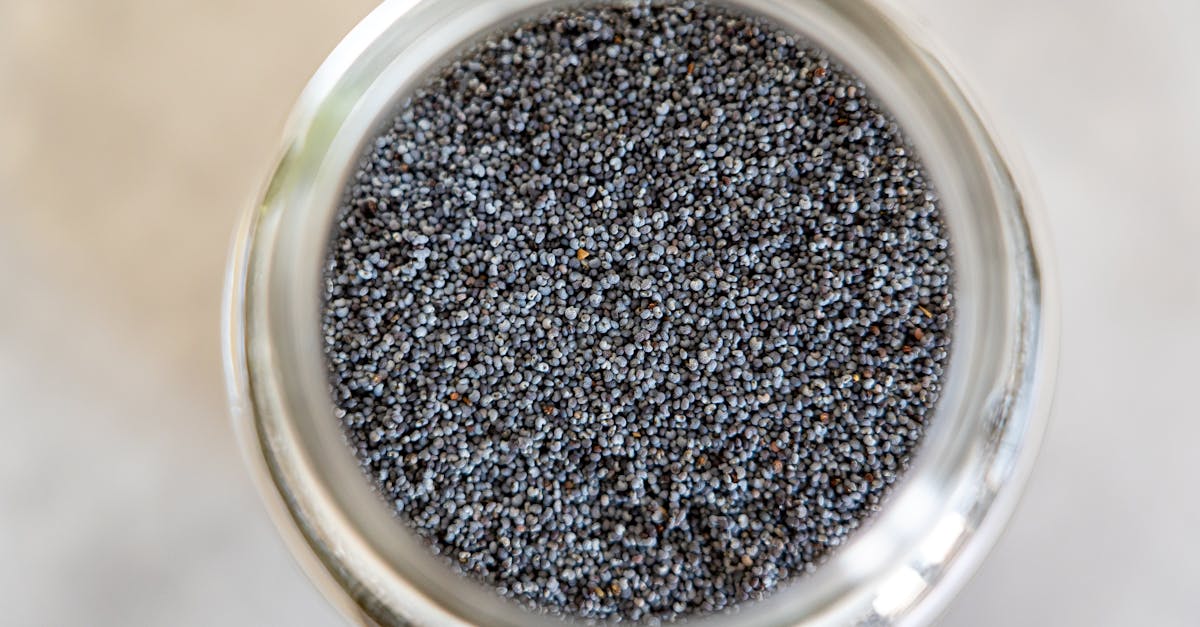
- Poppy seeds: Provide calcium, phosphorus, and zinc; sprinkle on foods.
- Sprouted pumpkin seeds: Germination reduces phytic acid and increases mineral absorption.
- Sacha Inchi: High in omega-3s and protein; use the roasted seeds or cold-pressed oil.
Choosing and Using Seeds for Your Goals
Each seed has its strengths. Pumpkin seeds offer magnesium for muscles, sesame supports bone density, chia and flax are fiber-rich, and hemp is ideal for plant-based protein. Depending on your nutritional focus, select one or two seeds to rotate each week.
Common Mistakes to Avoid
Combining too many seeds or mixing them into sweet blended drinks with added sugar can negatively affect digestion and blood sugar. Stick to one or two varieties per day, limit total quantity to about a tablespoon, and always pair with water.
A 14-Day Plan: One Spoon a Day, No Discomfort
- Days 1-3: Try one seed (pumpkin or sunflower) on salads or soups.
- Days 4-7: Alternate with ground sesame or tahini.
- Days 8-10: Add soaked chia or yogurt with no added sugar.
- Days 11-14: Choose your favorite and repeat. Steady repetition is key.
As with any change to your routine, if you notice ongoing or serious symptoms, consult a healthcare professional for personalized advice.