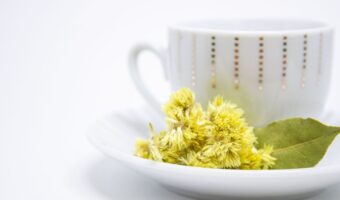
Discovering Bay Leaf Tea: Tradition Meets Well-Being
Picture a stream of aromatic steam rising from a freshly brewed cup, evoking memories of home cooking. Bay leaf tea is not simply a beverage; it has been a part of daily routines across cultures for centuries. Today, as people look for simple ways to support their well-being, especially in places where stress and digestive discomfort are commonplace, bay leaf tea is enjoying renewed appreciation. But what exactly does this infusion offer? How can it be used intentionally and sensibly?
What Is Bay Leaf Tea and Why Does It Endure?
Bay leaf tea is made from the leaves of Laurus nobilis, an aromatic plant celebrated in both culinary and traditional wellness contexts. Its leaves contain essential oils, antioxidants, vitamins, and minerals—contributing to a potent, slightly bitter flavor and a clarifying aroma. Unlike subtler herbal teas, it is recommended to enjoy bay leaf tea as a mindful addition to your routine, not in excess. Many turn to it when feeling sluggish, experiencing heavy digestion, or seeking a moment of calm.
Traditional Bay Leaf Tea Recipe
Ingredients
- Five fresh or dried bay leaves
- One cinnamon stick
- Optional: one teaspoon of honey
- Two cups of water
Preparation
Rinse the bay leaves thoroughly. Bring two cups of water to a boil. Add the bay leaves and cinnamon stick, then simmer gently for ten minutes. Remove from heat, let it steep for five minutes, then strain. Add honey if desired.
How to Enjoy
A common approach is one cup in the morning and another at night, for up to seven days. Drinking it warm may enhance the comforting effects.
Why Your Body Might Appreciate Bay Leaf Tea
Modern life often leads us to miss the subtle signs of imbalance—persistent fatigue, heaviness after meals, trouble sleeping. While bay leaf tea does not promise instant cures, it may gently support the body’s natural processes when used with intention and consistency.
Main Benefits of Bay Leaf Tea
- Stress relief: Its aroma is linked to calming nervous tension. Evening consumption may help with relaxation, particularly for those experiencing mild anxiety or racing thoughts.
- Digestive support: Bay leaf stimulates the production of gastric juices, potentially easing indigestion, bloating, and discomfort following heavy meals.
- Immune support: Rich in antioxidants, bay leaf tea may help bolster the body’s response to common illnesses, though it is not a substitute for medical treatment.
- Relief from cold symptoms: Traditionally, it is used to alleviate mild congestion, cough, and throat irritation through its gentle expectorant action.
- Improved circulation: Certain compounds in bay leaves may contribute to better blood flow, which could help those who frequently feel cold or tired in their limbs.
- May reduce inflammation: Bay leaves contain elements that are associated with anti-inflammatory effects, supporting ease for minor joint discomfort or muscle soreness.
- Blood sugar balance: Some research suggests bay leaf can support stable blood sugar levels, but it should not replace prescribed diabetes management.
- Mild detox support: Its gentle diuretic properties may promote the elimination of excess fluids.
- Sleep support: Many find more restful sleep when consuming bay leaf tea before bed.
- Liver support: Bay leaf is sometimes used to assist natural liver functions, which are fundamental to the body’s cleansing processes.
- Mild cognitive support: By easing stress and boosting circulation, some people experience a sense of clearer thinking.
- Menstrual comfort: Bay leaf’s relaxing effect on muscles may help ease mild cramps for some women.
- Urinary health: Its diuretic and mild antimicrobial action may contribute to urinary tract cleanliness.
- Sustained energy: Unlike coffee, bay leaf tea does not cause sharp stimulation, but may offer gentle, steady energy.
- Scalp health: Used topically, bay leaf can promote scalp comfort and may help reduce dandruff.
- Fresh breath: The antimicrobial effect may reduce oral bacteria that cause bad breath.
- Metabolic support: This infusion may support digestive and metabolic functions within the context of a balanced diet.
- Tension headache relief: Its calming properties may help if discomfort is related to muscular tension.
- Support for healthy aging: Antioxidants in bay leaf combat cellular damage associated with aging.
- Decreased fatigue: Improved digestion and comfort may help you feel more revitalized overall.
Understanding Each Ingredient
- Bay leaves: Provide antioxidants, vitamins A and C, as well as minerals like potassium, calcium, and iron. They are known for their potential digestive and anti-inflammatory actions.
- Cinnamon: Contributes antioxidants, aids blood sugar balance, and adds a pleasant, warming flavor.
- Honey (optional): Not essential, but can mellow the taste and offer antibacterial support, particularly helpful during cold weather.
Key Precautions
Natural does not always mean harmless. Use bay leaf tea mindfully: avoid frequent or long-term use, especially during pregnancy or breastfeeding. It may interact with certain medications, particularly blood thinners and diabetes treatments. Only consume leaves meant for culinary use, not decorative varieties. Always consult a healthcare provider if you have allergies or take regular medication, and if you experience persistent or severe symptoms.
Tips for Mindful Enjoyment
Savor bay leaf tea in a calm moment as part of a gentle routine. Pair it with light meals and restful habits, and always pay attention to how your body responds. Regularity in moderation often contributes more than excess.
This guide is for informational purposes and does not replace professional medical advice. Please consult a healthcare provider for persistent or concerning symptoms.