Why Maintaining Muscle Matters as You Age
As the years go by, simple activities like rising from a chair or strolling through a park can become more challenging. If you notice increased fatigue, weakness, or even hesitation in movement after turning 60, this isn’t simply a natural part of aging—there are specific reasons behind these changes. A gradual decrease in muscle mass, known as sarcopenia, often develops almost unnoticed. It may start as difficulty with stairs or carrying groceries and, over time, may lead to a fear of falling. These small shifts can impact confidence and independence.
The Role of Nutrition in Muscle Health
Muscle strength does not just depend on exercise; what you eat is equally important. Muscles require both stimulation and the right nutrients—especially high-quality protein, key amino acids like leucine, and anti-inflammatory compounds. While it’s never too late to make changes, even consistent, minor improvements in diet can help muscle preservation and performance. Regular movement tailored to your abilities (such as gentle strength exercises or walks) enhances the benefits of a nutritious diet.
7 Foods That May Help Preserve Muscle After 60
1. Eggs: Nutrient-Dense and Accessible
Eggs offer complete protein and are naturally rich in leucine, vital for muscle protein synthesis. They also supply vitamin D, which is linked to muscle function. Many older adults find that starting the day with eggs provides stable energy and a sense of strength.
2. Greek Yogurt: Prolonged Protein Support
Thick and creamy Greek yogurt contains casein, a slow-digesting protein that helps sustain muscle maintenance. Its probiotics may support digestive health and nutrient absorption. Fermented dairy products are also associated with lowering low-grade inflammation, which can benefit muscle response.
3. Lean Poultry (Chicken or Turkey): Lean Strength
Skinless chicken or turkey is a great source of high-quality protein with minimal fat. For some, including lean poultry in main meals has made everyday tasks—like dressing or lifting—easier. Building more muscle stability gradually often leads to improved confidence and autonomy.
4. Lentils: Nutritious Plant-Based Option
Lentils provide plant protein, iron, and fiber. When part of a balanced diet, legumes support muscle health, especially when combined with other protein sources. Their hearty texture and ability to promote fullness make them a convenient choice for regular meals.
5. Salmon and Fatty Fish: Anti-Inflammatory Benefits
Salmon and other fatty fish are rich in Omega-3 fatty acids and vitamin D. These nutrients are linked to a slower rate of muscle degradation and may help with joint comfort and muscle recovery. Including these fish regularly offers more than just protein; it supports overall neuromuscular health.
6. Nuts and Almonds: Compact Nutritional Boost
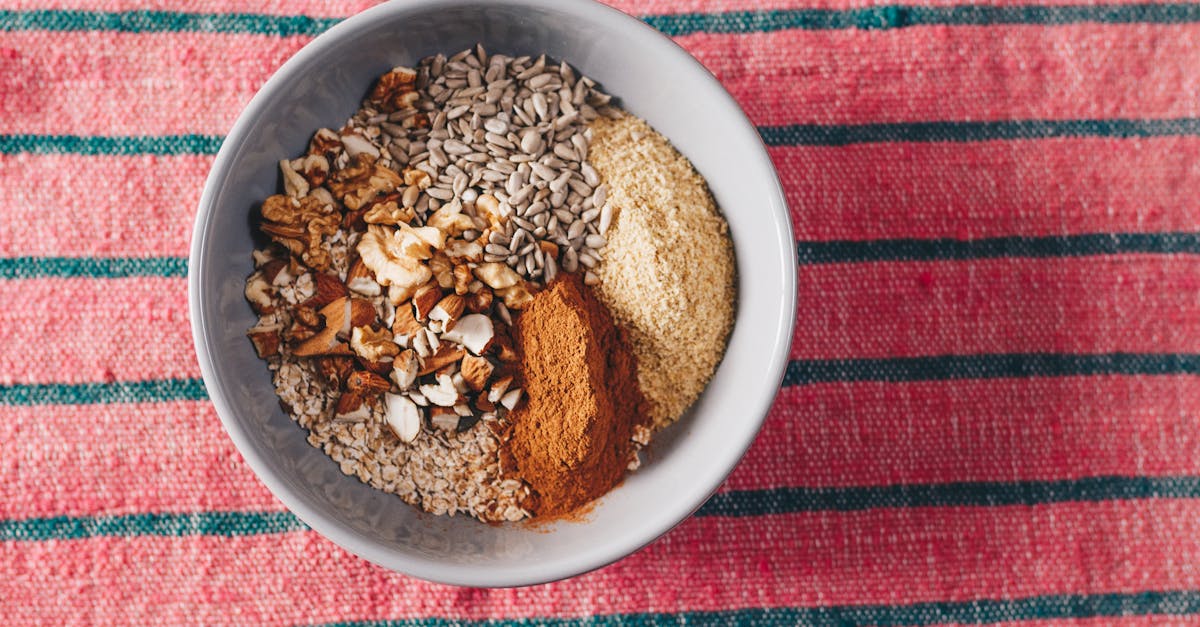
Nuts and almonds provide protein, healthy fats, and antioxidant vitamin E, which can help protect muscle tissue from oxidative stress. In moderation, a small handful can be an easy snack or complement to meals, assisting with healthy body composition.
7. Cottage Cheese: Nighttime Support
Cottage cheese is soft, mild, and versatile, loaded with casein and leucine—making it an ideal option for muscle care, even overnight. Consistent inclusion may gradually support muscle responsiveness and steadiness, contributing to improved mobility and confidence, especially in the evening.
How to Make These Foods Part of Your Routine
Introduce new foods slowly, choosing two or three to start. Pair them with vegetables and avoid excessive frying. Simple meals with fresh ingredients, eaten regularly, support better results. Be mindful of your health conditions; those with kidney concerns or high cholesterol should seek professional advice before making significant dietary changes.
Practical Guide to Getting Started
- Select three to four foods to try throughout the week for nutritional variety.
- Adjust serving sizes based on your weight and activity level.
- Favor cooking methods like steaming, grilling, or boiling.
- Include a variety of vegetables and whole grains for balance.
- Aim for steady daily inclusion rather than dramatic changes.
- Incorporate gentle activity suited to your abilities, such as walking or using light resistance.
Nutrient Table: Foods and Their Potential Benefits
- Eggs: Complete protein and leucine for muscle synthesis support
- Greek yogurt: Casein for sustained muscle maintenance
- Lean poultry: Lean protein supporting overall strength
- Lentils: Plant protein and iron assisting muscle maintenance
- Salmon: Omega-3 and vitamin D supporting inflammation reduction
- Nuts/almonds: Healthy fats and vitamin E for cellular protection
- Cottage cheese: Casein and leucine for muscle preservation
Small Steps Toward Lasting Change
Personal stories frequently highlight how improved eating habits have restored a sense of safety and independence. Consistency, not quick results, is key. Pursue improvements for your current well-being rather than competing with your younger self. Even one dietary adjustment this week can become a meaningful first step. For extra benefit, consider including small amounts of turmeric or ginger, which traditional cultures use for their anti-inflammatory properties. Always consult your healthcare provider before making dietary changes if you have ongoing health conditions or experience persistent symptoms. Professional guidance ensures your plan meets your unique needs.