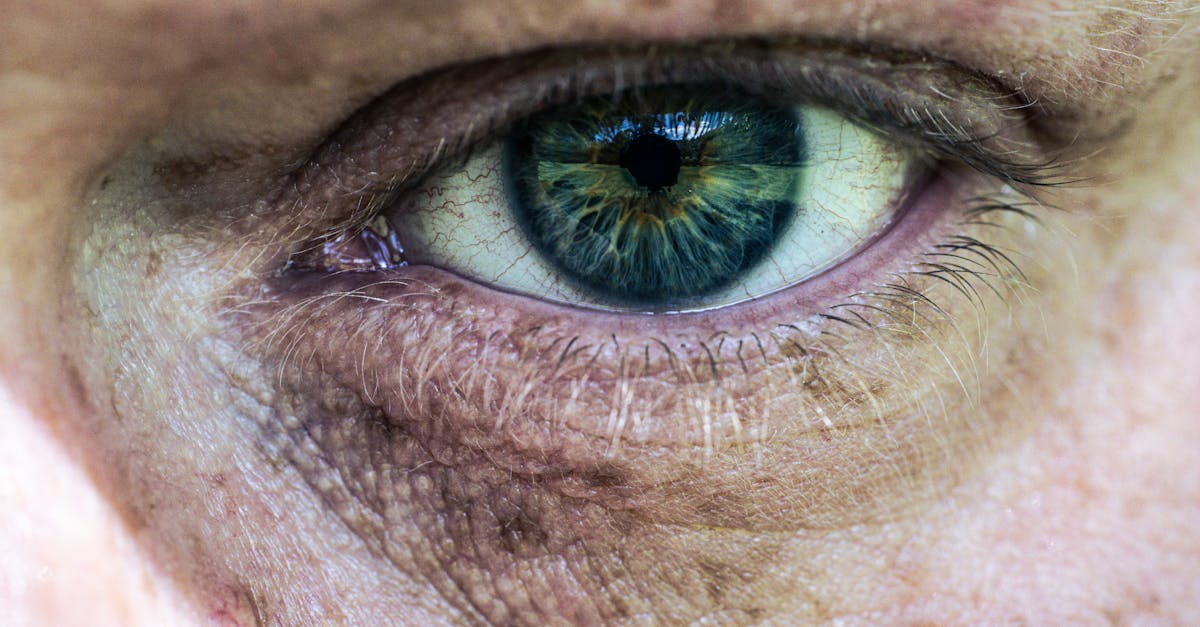
Understanding Castor Oil’s Role in Eye Care
Waking up without gritty, tired eyes may seem out of reach, especially after the age of 45 or following a long day in front of screens. Before reaching for a random eye cream, it might be worth considering a traditional remedy: castor oil. Though sometimes dismissed as an old wives’ tale, castor oil has a nuanced reputation — while some report mild relief, misuse can lead to irritation or infection.
Why Eye Discomfort Increases with Age
As you get older, your eyes naturally change. Tear production may decrease, or the tears might evaporate faster, especially if you’re exposed to air conditioning or polluted environments. This often leads to sensations of dryness, fatigue, and irritation that weren’t present in younger years. Issues such as floaters, blepharitis, or worries about cataracts can also add to daily discomfort. It’s important to clarify: no oil can dissolve cataracts or eliminate floaters, but alleviating surface discomfort can noticeably improve quality of life.
Castor Oil: What It Offers and Its Limitations
Castor oil, derived from the Ricinus communis plant, is thick and soothing when used on the skin. Its ability to create a protective barrier makes it a common choice for skin and eyelash care. However, the sensitive surface of the eye demands extra caution: sterile, ophthalmic-grade preparations should be used for internal eye care, while at-home applications should remain external and carefully controlled.
Potential Benefits of Castor Oil for Eyes and Surrounding Skin
Comfort for Dry Eyelids
Gently massaging a drop of castor oil onto the outer eyelid skin can help ease surface dryness, offering a feeling of protection, especially overnight. This won’t cure internal dry eye but may reduce tightness and surface irritation, making blinking less uncomfortable.
Reducing the Sensation of Tired Eyes
A simple nightly routine: cleansing the eye area, limiting screen time before bed, and lightly applying castor oil under the eyes may help reduce that heavy, tired feeling. The oil’s rich texture and gentle massage can provide a warming, relaxing effect — though results are personal and not a substitute for medical treatment.
Supporting Minor Under-Eye Puffiness
Hydrating the delicate under-eye skin with a careful application of castor oil, combined with healthy lifestyle adjustments (less salt, better sleep), may help some people notice less puffiness. This comfort comes from soothing dry, fragile skin, rather than erasing under-eye bags entirely.
Eyelashes and Eyebrow Care
Applying a small amount of castor oil to eyebrows and the base of eyelashes (without direct eye contact) may help reduce dry, brittle hairs. While it won’t miraculously make lashes grow, it can minimize breakage, supporting a healthier overall appearance. Take care to avoid contact with the eye to prevent irritation.
Assisting Mild Eyelid Hygiene
When following proper eyelid hygiene recommended by an eye care professional, a minimal amount of castor oil applied to the outer skin can add extra comfort for those dealing with mild blepharitis or flaky skin. Never apply castor oil to an infected or painful area without professional guidance.
Enhancing Comfort in Dry Eye with Proper Use
Some people benefit from ophthalmic formulations of castor oil for dry eyes under medical supervision. Home remedies should not include placing non-sterile oil directly into the eye; instead, use only products designed for ocular use after consulting a professional. These products may help stabilize the tear film and improve comfort for some, but are not replacements for formal dry eye treatments.
Building Smarter Eye Care Routines
The real advantage of learning about castor oil is making informed choices rather than chasing unproven home remedies. Understanding the boundaries—what castor oil can and cannot do—helps you develop safer, more consistent eye care habits. Rely on external, gentle applications and reserve internal or direct eye use for professionally-approved products only.
When to Seek Professional Help
While minor discomfort may resolve with better routines, certain symptoms require medical assessment. Immediate signs to watch include persistent pain, heightened light sensitivity, lasting blurry vision, severe redness, marked swelling, or any yellow discharge. If symptoms worsen or change suddenly, avoid self-medicating and consult an eye care professional.