Discovering the Potential of Euphorbia thymifolia
In gardens, parks, or forgotten corners of vacant lots, you might come across a creeping, barely noticeable plant. While most people walk past it without a second glance, Euphorbia thymifolia is a small herb with a remarkable heritage of traditional use. For generations, this humble plant has quietly supported well-being in various cultures, especially across Asia and Africa.
Why Traditional Herbs Still Matter
Many of us face recurrent digestive issues, minor respiratory problems, or skin irritations. In search of solutions, we often turn to expensive or aggressive treatments, overlooking simple remedies used for centuries. Euphorbia thymifolia stands out in practices like Ayurveda and Traditional Chinese Medicine, reminding us that gentle, plant-based support can sometimes be just as valuable as modern methods.
What Exactly Is Euphorbia thymifolia?
Known also as Chamaesyce thymifolia, this low-growing herb sports reddish stems and tiny opposite leaves, forming mats across soil in warm regions worldwide. Despite its modest appearance, its long history of medicinal use sets it apart. Modern research has identified bioactive compounds associated with antioxidant, anti-inflammatory, and antimicrobial activity. While Euphorbia thymifolia is not a miracle cure, these properties make it a plant of interest.
Traditional Uses: A Closer Look
Digestive Comfort, Gently Over Time
Traditionally, Euphorbia thymifolia has served as a mild astringent for those experiencing digestive discomfort or mild diarrhea. Used in moderation as a tea, it may help support more stable digestion over time.
Help Against Intestinal Parasites
In rural areas, the plant has been used as a complementary aid against intestinal parasites. Folk medicine regards it as a vermifuge—a role supported by ethnobotanical studies—though it should never replace prescribed treatments.
Respiratory Relief During Challenging Seasons
Some people have found the herb useful for soothing mild coughs and helping clear mucus when brewed as a warm tea. Its traditional use as a natural expectorant highlights its value in times of seasonal respiratory discomfort.
Skin Support From Nature
Applied externally as a fresh paste, Euphorbia thymifolia has a history of use for minor skin irritations, wounds, and bites. Its antifungal and antibacterial effects can support clean healing environments, though always with caution for sensitive skin.
Gentle Urinary System Support
The plant has also been regarded as a light diuretic, used in infusions to promote urinary tract comfort. Its effects are mild, encouraging consistency rather than dramatic changes.
Natural Defense Support
Rich in antioxidants, Euphorbia thymifolia teas have been turned to during fatigue or seasonal challenges to help care for the body’s defenses, offering gentle support alongside other healthy habits.
Encouraging Mindful Self-Care
Beyond specific uses, the practice of preparing and using this herb fosters a habit of observation and mindful self-care—listening to your body and making small, steady adjustments as needed.
How Euphorbia thymifolia Is Commonly Prepared
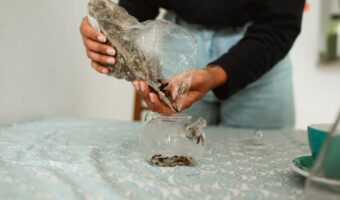
The most widespread traditional use is as an infusion: dried leaves steeped in hot water for 10 to 15 minutes. The resulting tea has a mild, herbal taste and can be incorporated once or twice daily for short periods. The crushed leaves may also be applied topically in small amounts, but moderation is essential to avoid skin irritation.
Comparing Its Traditional Applications
| Bodily System | Traditional Role | Common Preparation |
|---|---|---|
| Digestive | Mild astringent | Decoction |
| Respiratory | Expectorant | Warm tea |
| Skin | Antifungal | Topical paste |
| Urinary | Gentle diuretic | Infusion |
| Immunity | Antioxidant | Tea |
Safe and Thoughtful Use
Euphorbia thymifolia is generally considered safe in moderate amounts. However, its milky latex can irritate sensitive skin, and larger doses may lead to mild stomach upset for some. Use small amounts, and avoid direct contact if you have a skin sensitivity. Always consult a healthcare professional before starting any new herbal approach, especially if you are pregnant, breastfeeding, taking medication, or have ongoing health conditions. Herbal remedies should not replace professional medical care.
Integrating Herbal Wisdom
True well-being comes from balanced habits—nutrition, rest, activity, hydration, and careful decisions about traditional herbs such as Euphorbia thymifolia. This humble plant reminds us that value often lies in what we most easily overlook.
If you experience persistent or serious symptoms, seek advice from a trusted health provider to ensure safe, effective care tailored to your needs.