Why Aspirin Is a Go-To Home Remedy
Everyday challenges like unexpected blemishes, pesky insect bites, or stubborn sweat stains can turn a regular day upside down. Finding effective solutions for these common issues doesn’t need to be complicated—or expensive. Many women reach for aspirin, a medicine known for its active ingredient, acetylsalicylic acid, which is chemically related to the salicylic acid often used in skincare. While aspirin was not designed as a cosmetic product, its structure has inspired numerous home remedies. Remember, there’s an important safety note at the end, especially if you’re thinking of experimenting.
Understanding the Trend: Aspirin’s Unexpected Uses
It’s common to look for simple solutions using what is already at home, and aspirin is often overlooked as a multi-purpose product. Because acetylsalicylic acid is close to salicylic acid—a known exfoliant and soother in some cosmetic formulas—people sometimes try using aspirin in creative ways. However, a key difference remains between a medicine approved for consumption and professional skincare formulations. So, when exploring homemade tricks, always proceed with caution and observe your skin’s reaction closely.
What Research Suggests—and What It Doesn’t
Salicylic acid is clinically proven for exfoliating dead skin cells and clarifying skin and scalp. Aspirin, on the other hand, is made for oral use. Some create aspirin pastes as a topical experiment, but these aren’t guaranteed solutions and can irritate some skin types. If you choose to try these ideas, do so moderately and watch for any signs of irritation.
10 Popular Aspirin Hacks for Skin and Home
1. Quick Spot Paste for Breakouts
For a red blemish before an important event, mix a crushed, uncoated aspirin tablet with a tiny bit of water to form a thin paste. Apply gently for a few minutes, then rinse thoroughly. Some users report temporary calming effects, but avoid over-drying the skin by limiting contact time.
2. Temporary Relief for Mild Itching
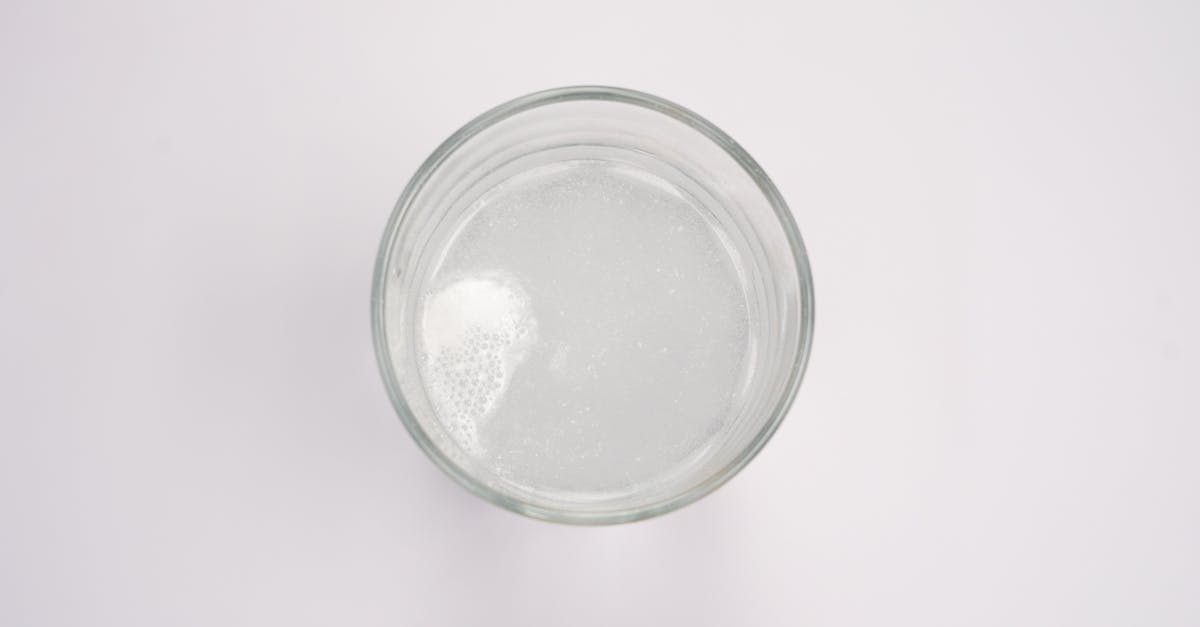
A paste made from dissolved aspirin can sometimes provide temporary soothing for minor bug bites. This technique can help some people feel relief from itchiness, but should not be used on broken or sensitive skin.
3. DIY Support for Flaky Scalp
Mixing 2–3 crushed aspirin tablets into your shampoo and leaving it on for a couple of minutes may mimic the effects of shampoos containing salicylic acid. As this can be drying, limit frequency—especially if you have a sensitive scalp.
4. Smoothing Tough Skin on Heels
Aspirin paste left on rough heels for 10–15 minutes before rinsing and moisturizing can help soften calluses. This method is inspired by commercial products but should not replace professional treatments if the problem persists.
5. Pre-Soak for Sweat Stains on Clothes
Dissolve 4–5 aspirin tablets in warm water and soak sweat-stained garments for a few hours prior to washing. While not always perfect, this may help lift stubborn yellow marks from light fabrics.
6. Tackle Deodorant Residue
Apply a weak aspirin solution with a soft cloth to white deodorant marks on dark clothing before washing. Always test on an inconspicuous area first to avoid damaging delicate fabrics.
7. Occasional Shine Boost for Dull Hair
As a clarifying rinse, dissolve several aspirin tablets in a cup of warm water and apply after shampooing. Some people notice a temporary shine and lighter feel, though those with dry scalps should use sparingly.
8. Gentle Exfoliation for Elbows and Knees
A widely used trick is to make a diluted aspirin paste, apply it briefly on dry elbows or knees, then moisturize after rinsing. Hydrating afterward is crucial to maintain softness and prevent tightness.
9. Simple Cleanser for Makeup Brushes
Soak brushes in an aspirin solution for a short time before washing them with mild soap. This can help break down product buildup but isn’t a replacement for professional makeup brush cleansers. Rinse thoroughly.
10. Minimal-Test Principle
The smartest tip is to always start with a small amount on one specific area and wait—don’t make it a daily habit. If you notice dryness, stinging, or lasting redness, discontinue immediately. This approach helps prevent overuse and potential irritation.
How to Try These Tricks More Safely
Before trying any home remedy: use uncoated tablets, avoid damaged or freshly shaved skin, and do not mix with other acids or exfoliants on the same day. It’s best to stick with one new method at a time and observe carefully. If you experience ongoing irritation or have persistent symptoms, consult a healthcare professional before continuing.