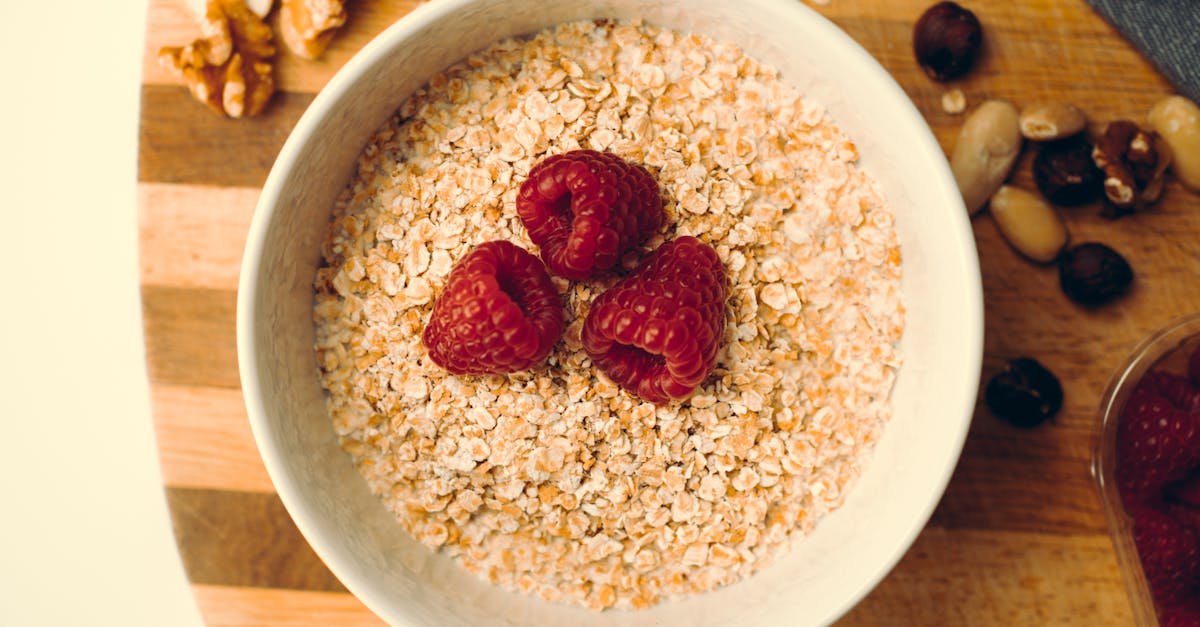
Nourishing Your Arteries Beyond 75: Oatmeal as Your Daily Ally
As we age, particularly past 75, our arteries naturally lose some of their flexibility and efficiency. While this is a common aspect of aging, small daily actions can support cardiovascular health and make a subtle but lasting difference. If oatmeal is a staple in your breakfast, enhancing it with specific ingredients may help nurture your arteries, turning an ordinary meal into a heart-healthy ritual.
Why Oatmeal Is a Strong Foundation
Oatmeal shines in the diet of older adults because it is rich in beta-glucans, a soluble fiber that assists in reducing LDL cholesterol by helping to eliminate it through the digestive tract. Its gentle nature is easier on a mature digestive system, making it ideal for those with slower digestion. However, the true advantage comes from what you add to your bowl.
Setting Realistic Expectations: Arterial Health Over Time
Quick solutions for cleaning arteries are a myth. Instead, real progress comes from consistent, supportive habits. No single food can immediately remove cholesterol plaques, but combining various wholesome ingredients can support more flexible, better-functioning arteries over the long term. Oatmeal, enriched with targeted additions, becomes a practical part of this strategy.
9 Beneficial Ingredients to Boost Your Oatmeal
9. Cooked Apple Cubes
Adding diced, lightly cooked apple brings gentle sweetness and valuable pectin, another type of soluble fiber that works alongside beta-glucans to support cholesterol management and smoother digestion.
8. Chopped Almonds or Walnuts
A small handful of these nuts supplies heart-healthy fats. Replacing less healthy fats with nuts may help improve your cholesterol profile and add a satisfying crunch to your meal.
7. Unsweetened Cocoa Powder
Just a teaspoon of pure cocoa powder introduces flavonoids: natural antioxidants that research suggests may benefit vascular function while enriching the flavor without added sugar.
6. Berries
Blueberries, strawberries, or raspberries are all excellent sources of anthocyanins, compounds linked to cellular protection. They offer a refreshing burst of flavor that can make oatmeal more enjoyable.
5. Ceylon Cinnamon
This variety of cinnamon is not just aromatic; it may also help support balanced blood sugar and acts as a natural antioxidant. It can provide gentle flavor, reducing the urge to sweeten your bowl with sugar.
4. Chia Seeds
With omega-3s, fiber, and a unique gel-like texture when hydrated, chia seeds promote satiety and gentle digestion. They blend easily and amplify nutrient content.
3. Ground Flaxseed
Often overlooked, ground flaxseed delivers omega-3 fatty acids and lignans – both linked with healthy vascular systems. Grinding is important, as whole seeds pass through the body undigested.
2. Unsweetened Plant Milks
Opt for almond, soy, or oat milk without added sugar. These options lower saturated fat intake and can indirectly support heart health, especially as part of an overall balanced pattern.
1. The Unsung Hero: Consistency
No ingredient is as powerful as the daily habit itself. Preparing and enjoying a wholesome bowl each morning creates a foundation for arterial care unlike any single nutrient.
Simple Oatmeal Recipe for Arterial Wellness
- 1/2 cup traditional rolled oats
- 1 cup skim or unsweetened plant milk
- 1 tablespoon freshly ground flaxseed
- 1/2 teaspoon Ceylon cinnamon
- 1 teaspoon unsweetened cocoa powder
- A handful of berries
- Optional: 4–5 chopped walnuts
Combine oats and milk in a small pot. Bring to a simmer, then lower heat, stirring for about 4–5 minutes. Remove from heat and mix in flaxseed, cinnamon, and cocoa powder. Top with berries and walnuts. The aroma and sensory variety make this habit enjoyable—and easy to sustain.
Quick Comparison: Why Each Ingredient Matters Post-75
- Oats: Beta-glucans for cholesterol support
- Flaxseed: Omega-3s for vascular health
- Cinnamon: Antioxidants and balanced metabolism
- Berries: Anthocyanins for cellular defenses
- Nuts: Healthy fats supporting vessel elasticity
These elements work best together, forming a powerful breakfast routine.
Supporting Your Routine: Additional Tips
Heart-healthy eating is just one part of arterial care. Regular physical activity, such as walking 20-30 minutes daily, maintaining good hydration, reducing sodium, and prioritizing restful sleep all contribute to better circulation and cardiovascular well-being. Simple changes, sustained over time, achieve lasting benefits.
Avoiding Common Mistakes
- Limit added sugars to preserve oatmeal’s benefits
- Choose traditional rolled oats over instant varieties packed with additives
- Always use flaxseed ground, not whole
- Prioritize consistency—frequent recipe switching can diminish results
Sticking to a straightforward, reliable routine outperforms chasing quick fixes.
Gentle Digestion and Final Thoughts
Let your oatmeal cool slightly before eating; this can make digestion easier, particularly for sensitive stomachs. Pay attention to how your body responds to these changes, and consider sharing the ritual with a loved one. When introducing dietary changes, if symptoms persist or you have specific health concerns, consult with a qualified healthcare provider for personalized advice.