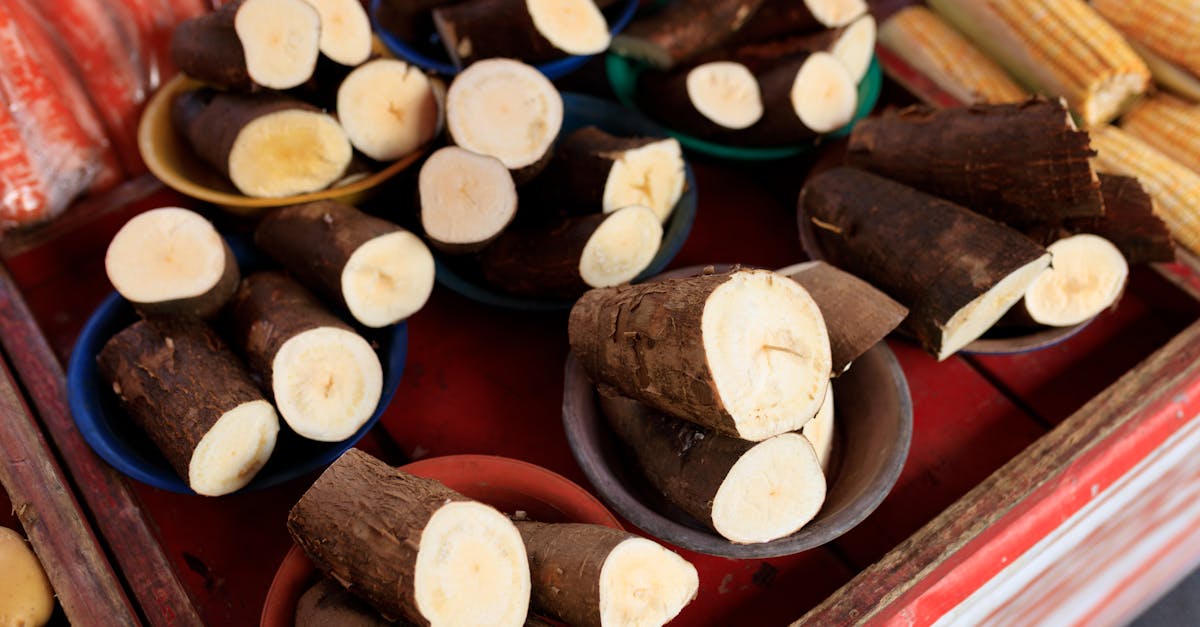
Cassava: Familiar and Surprising, All at Once
For many, cassava is an ingredient that feels both comforting and mysterious. It brings memories of home when freshly cooked, with its warm aroma and soft texture that almost melts on your plate. Yet, if not handled or cooked well, it can seem heavy or bitter. The truth about cassava? Its reputation as risky isn’t just a myth, nor is it a reason for alarm—what matters most is how you prepare and consume it. With a little knowledge, cassava can shift from a debated carb to a strategic, nutritious addition to your meals.
Addressing Low Energy and Slow Digestion
As we grow older, sluggish energy and slow digestion can gradually become routine. These shifts aren’t always medical; often, they result from stress, large portions, a lack of fiber, or rushed meals. Enter cassava: often labeled a simple carbohydrate, but it is much more. When thoughtfully combined with fiber, protein, and vegetables, cassava can provide lasting energy instead of quick sugar spikes. However, if you eat it fried and by itself in large quantities, it can feel heavy or increase cravings later. The question is not whether to eat cassava, but how to use it to your advantage.
What’s Inside the Cassava Root?
Cassava supplies calories and complex carbohydrates, but it also gives you fiber, water, and some plant protein. It is a source of essential minerals like potassium, magnesium, calcium, and iron. A commonly overlooked benefit: cassava contains vitamin C and several B vitamins that support energy metabolism and the nervous system. Contrary to the myth that cassava simply causes weight gain, it can play a balanced role in your diet. Here’s what you might notice with smart, moderate consumption:
Nine Potential Benefits of Cassava
- More sustained energy: Some people find that swapping bread for boiled cassava at breakfast with eggs and salsa delivers steadier energy throughout the morning. The difference lies in the combination and portion size.
- Improved digestion: Cassava’s fiber may help support regular bowel movements, especially if your current diet lacks fiber. For best results, combine cassava with vegetables and enough water.
- Stable hunger: When paired with fiber and protein, cassava can support slower absorption of carbohydrates, minimizing sharp rises or falls in energy and hunger. Portion control remains key.
- Potential blood pressure support: Thanks to its potassium content, cassava may contribute to a healthy fluid balance and support normal blood pressure as part of a balanced diet.
- Immune system support: With vitamin C and antioxidants, cassava could support overall immune defenses, especially when included in a varied, healthy diet.
- A gentle boost for iron intake: While not a major source, the iron in cassava can complement other sources in your diet. If you feel frequently tired, consider consulting a healthcare professional to rule out anemia instead of self-diagnosing.
- B vitamins for mind and mood: B vitamins in cassava work alongside other dietary sources to help sustain mental energy and focus, reducing the risk of deficiency when part of a balanced meal plan.
- Healthier-looking skin: Well-nourished bodies often enjoy brighter, more even-toned skin. Cassava is not a cure for skin concerns but may contribute to a balanced diet that supports skin health over time.
- Versatility in your kitchen: Cassava can be boiled, baked, mashed, made into soups, patties, or as a side. Its adaptability means you can keep meals interesting and continue making healthy choices without growing bored.
Understanding the Safety of Cassava: What You Need to Know
Concerns about cassava toxicity arise from compounds that can turn toxic if not handled properly, mostly found in the skin and some varieties. Traditional wisdom, such as thoroughly peeling, soaking (when necessary), and cooking cassava completely, ensures its safety for most people. Remember: never eat cassava raw or undercooked, and always discard the skin.
Who Should Approach Cassava Mindfully?
People managing diabetes or insulin resistance should pay careful attention to portion sizes, as cassava is a source of carbohydrates. This doesn’t mean cassava should be avoided entirely, but it should be eaten in moderation and combined with fiber and protein. Those with sensitive digestion might prefer cassava boiled, in soup, or in smaller amounts, as fried or excessive portions can cause discomfort. Anyone with suspected allergies should stop consumption and consult a professional.
Cassava at Home: Practical Nutrition and Safety Tips
Making the Most of Cassava’s Benefits
- Complex carbohydrates: Offer steady energy—enjoy in moderate amounts with proteins.
- Fiber: Aids digestion—combine with plenty of vegetables and water.
- Vitamin C and antioxidants: Contribute to immune defenses—maintain a variety in your meals.
- Potassium: Supports fluid balance and may help with bloating in some people—adjust if you have a medical condition.
- Key minerals: Help daily function—diet should never replace medical advice.
Safe and Tasty Ways to Prepare Cassava
- For steady energy: Boil or bake cassava two to four times per week; limit frying.
- For smoother digestion: Use cassava in soups or light purees two to three times weekly; keep portions moderate.
- For portion control: Tailor serving size to your activity levels and health needs.
- For safety: Always peel, soak if needed, and cook cassava thoroughly. Never eat it raw.
- For flavor with confidence: Bake cassava with spices and moderate salt to diversify your meals.
Simple Ways to Add Cassava to Your Diet
- Boiled cassava with fresh lime, a pinch of salt, and chili powder
- Baked cassava with garlic, oregano, and olive oil
- Cassava soup loaded with vegetables and shredded chicken
Combine cassava with proteins (eggs, chicken, fish, or beans), extra fiber (salads, steamed vegetables), and healthy fats like avocado for a complete meal.
If you experience persistent health symptoms or concerns about digestion, blood sugar, or allergic reactions, consult a healthcare professional for guidance tailored to your needs.