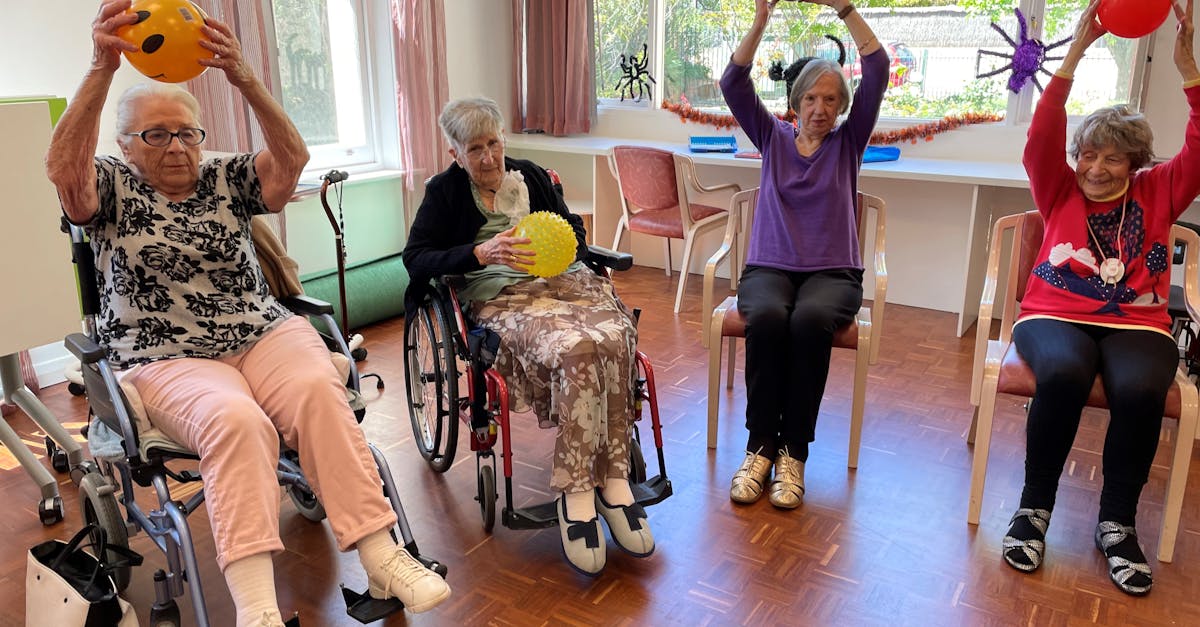
Why Chair Exercises Matter After 60
It’s common to notice changes in your body as you age—creaky knees when you stand up, a complaining back, or simply a sense of stiffness. But there’s a gentle and effective way to keep moving: seated exercises. A sturdy chair, steady breathing, and mindful movement can gently wake up muscles while reducing strain on joints. These exercises are accessible, can be done while watching TV or listening to music, and might even transform how you start your day.
Understanding Muscle Loss and Confidence
As we get older, gradual loss of muscle mass—known as sarcopenia—can affect strength, stability, and energy. This isn’t just a cosmetic issue; it impacts your ability to get up, stay balanced, and move without fear. If pain or fatigue holds you back from walking, the thought sometimes arises that nothing can be done. However, using the right kind of movement—especially the kind that is safe and repeatable—can be a turning point. When muscles lose tone, balance often suffers, which can lead to hesitation in moving and faster loss of strength. The solution is a routine that counters this cycle, and often, it starts while sitting.
The Benefits of Seated Exercise for Older Adults
Seated movements are gentle on sensitive knees, ankles, and backs, yet they efficiently engage major muscle groups like the legs, core, back, and shoulders. The goal isn’t intense sweating but consistent, controlled movements that signal strength and stability to the body. With regularity, these exercises can easily become a daily habit, providing lasting benefits over time. Even slow, mindful reps have positive effects, making it easier for anyone to adopt and stick with the routine.
Potential Benefits of Daily Chair Exercises
- Reduced morning stiffness: Gentle movement every day may improve joint lubrication and circulation, making it easier to get up and start your day with less discomfort.
- Improved short-distance stability: Strengthening muscles while seated can enhance confidence when moving from room to room, even if you aren’t able to walk long distances.
- Better leg circulation: Chair-based activities like seated marches or heel lifts can help promote blood flow and decrease the feeling of heaviness in the legs, especially for those who spend long hours sitting.
- Enhanced posture: Regular movements such as arm circles and gentle torso rotations can open the chest, engage the upper back, and reduce shoulder and neck tension. Improved posture often makes everyday actions easier and less fatiguing.
- More strength for standing up: Exercises focusing on the thighs and calves can support the motions you need to rise from a seat without straining or using your hands for support.
- Increased confidence and reduced fear of falling: Safe, progressive movements from a chair can help both your body and mind feel more secure about maintaining balance during daily tasks.
- Improved relaxation and sleep: Daily use of your muscles through gentle movement may help release tension, encourage deeper breathing, and contribute to more restful sleep.
- A sense of renewed control: Making a simple, repeatable plan can shift your mindset from what you can’t do to what you still can achieve, restoring a sense of autonomy over your own body.
- Greater everyday freedom and independence: The combined effects of regular movement can support a lifestyle that feels more active, secure, and self-sufficient.
If you experience persistent or severe symptoms, it’s always wise to consult a healthcare professional before starting a new exercise routine.
5 Simple Chair Exercises to Start Today
For each exercise, choose a stable chair (without wheels), sit upright with your feet flat, and breathe naturally. Move slowly and with intention, focusing on controlled movements rather than speed.
1. Seated Straight Leg Lifts
Sit tall and extend one leg straight in front of you, keeping your knee as straight as possible. Hold for 3–5 seconds, then lower the leg slowly. Repeat for 8–12 reps on each side. This exercise activates the thigh muscles and is especially useful for supporting the knees and rising from a chair.
2. Arm Circles
Extend both arms out to your sides at shoulder height. Move your arms in small circles forward 10 times, then reverse for another 10 circles. Rest and repeat once more. This activity engages the shoulders and upper back, contributing to posture and making reaching movements easier.
3. Seated Marching (not described in full in the source text, so example only)
Lift your knees one at a time in a marching motion while seated. Alternate legs and aim for 20–30 repetitions. This dynamic movement helps activate leg muscles and circulation.
4. Heel Raises (implied for calf and lower leg strength)
With both feet flat on the floor, lift your heels as high as possible while keeping your toes on the ground. Lower back down slowly and repeat 10–15 times. This can improve calf strength and support better walking stability.
5. Gentle Torso Rotation (added for posture and mobility)
Sit upright and place your hands on your thighs or loosely across your chest. Gently rotate your torso to one side, hold for a second, return to center, then rotate to the other side. Repeat 8–10 times per side. This helps improve mobility in the back and engages core muscles.
Consistency is key with these movements. Even a few minutes each day can contribute to noticeable improvements in comfort, mobility, and confidence. Start slowly, listen to your body, and adjust or pause if you feel any unusual pain. Remember, a healthcare provider can offer personalized advice to ensure your exercise routine is safe and appropriate for your individual needs.