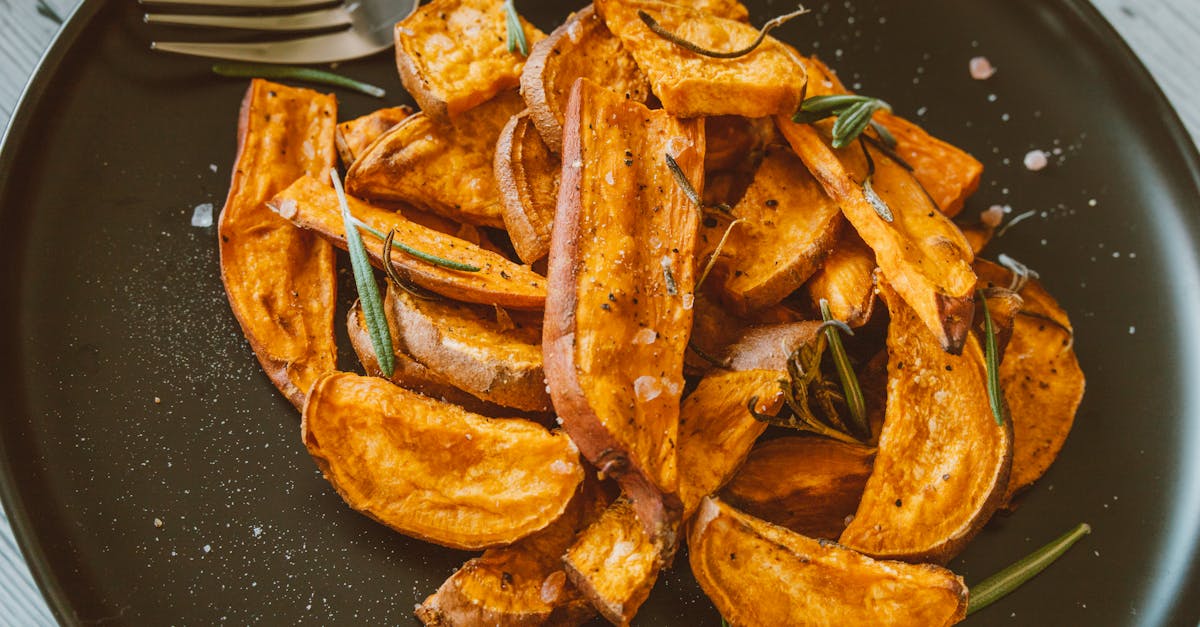
Why Sweet Potato Can Become Your Daily Staple
Looking for something delicious and satisfying, but not heavy? Many people, especially after 45, notice changes in how their bodies react to food—more fatigue, bloating, or random cravings, even when trying to eat healthy. It’s not about willpower; our bodies simply start asking for smarter nutrition. Surprisingly, one of the most straightforward options is often overlooked: sweet potato. But not as an occasional treat—sweet potato works best when it’s a regular habit.
The Real Issue: Consistency, Not Just Nutrients
Most people’s struggles with diet aren’t due to a lack of nutrients but rather inconsistency. A day of salad, followed by a day of sweet bread; one day careful, next day giving up. This rollercoaster doesn’t just impact weight—it also affects energy, mood, and digestion. That strange mix of fatigue, bloating, and sweet cravings is more common than you think. Introducing a simple, versatile, and affordable food can transform how you feel day to day.
Why Sweet Potato Stands Out
Orange and purple sweet potatoes are rich in fiber, vitamins, minerals, and antioxidants. What makes them special isn’t just their nutrient content, but how they interact with your body throughout the day. Some foods give you a quick boost but leave you sluggish later. In contrast, sweet potatoes offer satisfaction and are easily adjustable in portion size to fit your needs.
6 Practical Benefits of Eating Sweet Potato Daily
1. Tames Mid-Afternoon Cravings
A regular serving of baked sweet potato with your meal, especially when paired with protein, can help control those persistent afternoon temptations—for many, a classic time for cookies or bread. Its fiber and dense texture help you stay full longer. It’s not magic, just a smart strategy.
2. Stable Energy, Fewer Post-Meal Slumps
That sluggishness after lunch isn’t always laziness. Fast-absorbing sugars from refined foods can spike and then crash your blood sugar. The fiber and structure of sweet potatoes help release energy gradually, reducing highs and lows throughout the day. This steadier energy often leads to improved mood as well.
3. Supports Eye Health, Especially in the Digital Age
Orange sweet potatoes are loaded with beta-carotene, a precursor to vitamin A—essential for eye health and maintaining healthy corneas. While they won’t fix dry, irritated eyes from screen time, they can be part of a more protective diet.
4. Immune System Boost
Sustaining immunity takes consistency, not megadoses. Sweet potatoes offer vitamin A, vitamin C (in smaller amounts), and other antioxidants that contribute to healthy defenses as part of a balanced diet.
5. Gentle on Digestion—When Prepared Wisely
Many experience occasional constipation, especially with age. The fiber in well-cleaned, skin-on sweet potatoes aids digestion and regularity—especially when replacing refined flours. If you are new to fiber, introduce sweet potato gradually and drink plenty of water.
6. Supports Gut Health
Your gut does more than digest; it talks to your immune system and even your mood. Sweet potato fiber feeds beneficial bacteria, helping balance the gut microbiome. Over time, this can mean less bloating and more predictable digestion.
Bonus Benefits: Stable Blood Sugar and More
Stabilizes Blood Sugar—Despite Its Sweetness
Although sweet potato is naturally sweet, it does not spike blood sugar in the same way as sodas or cakes—especially in moderate portions. For those monitoring blood sugar, especially people with diabetes, it may be a gentler option than refined carbs, but always seek professional guidance.
Promotes Healthier Skin and Hair
Over time, antioxidants and vitamins A and E from sweet potatoes and their best meal partners (avocado, olive oil, seeds) are linked with healthier, more vibrant skin and stronger hair. A nourishing diet works from within, though results take time.
Regains Control with Simple Habits
People rarely fail because they don’t know what to eat, but because everyday life gets complicated. Sweet potato is affordable, naturally sweet without added sugar, and fits countless recipes. Making it your staple helps you stick to a routine, reducing food anxiety and cravings. Sometimes, the real life-changer is building easy habits, not buying expensive supplements.
How to Eat Sweet Potato Daily Without Getting Bored
Types of Sweet Potato—And Their Strengths
- Orange: Rich in beta-carotene (vitamin A). Good for eyes, skin, and immune health. Pair with healthy fats.
- Purple: High in anthocyanins (antioxidants). Great roasted or baked for general oxidative stress support.
- White/Yellow: Has a milder taste and is easier on sensitive stomachs. Works well in soups.
Three Rules for a Simple 7-Day Sweet Potato Routine
- Start with Portion Control: Begin with half to one medium sweet potato a day. If you’re watching your weight or blood sugar, stick to the smaller amount and pair with protein.
- Add Smart Companions: Sweet potato alone may raise blood sugar faster for some people. Combine it with protein and healthy fats—like chicken, fish, eggs, beans, avocado, nuts, or olive oil. Add salad or sautéed veggies for more fiber.
- Cook Once, Eat Thrice: Roast 4–6 sweet potatoes at once and store them in the fridge. Use as a base for breakfast, lunch, and dinner.
Sample Sweet Potato Meals
- Breakfast: Sweet potato with natural yogurt, cinnamon, and walnuts.
- Lunch: Sweet potato with chicken, fresh salsa, and salad.
- Dinner: Sweet potato cream soup with lentils (moderate portion).
Tips and Cautions for Everyday Use
- If you have mild constipation, eat sweet potato with skin and drink extra water. Start with smaller portions if you notice gas or bloating.
- To manage blood sugar or weight, keep portions moderate and always pair with fiber, protein, or healthy fats.
- For sensitive stomachs, stick to well-cooked, plain sweet potato and avoid spicy seasonings.
Creative Ways to Keep Sweet Potato Interesting
Savory ideas: Roasted sweet potato with lime and mild chili powder; sweet potato tacos with black beans and red onion; diced sweet potato with nopal and eggs. Sweet ideas (no added sugar): Mashed sweet potato with cinnamon and cocoa; chilled sweet potato with natural yogurt and seeds; quick dessert with banana, sweet potato, and nuts (small portion).
Avoid common pitfalls, such as deep-frying sweet potatoes and expecting the same benefits as other preparations.
If you experience persistent digestive issues or significant changes in your health, consult a qualified healthcare provider for personalized guidance.