Understanding Everyday Mental Fatigue
Have you ever walked into a room and forgotten your purpose for being there? Or noticed mental tiredness even after a good night’s rest? For many adults, these experiences can be unsettling. Most of the time, though, they are not signs of illness but gentle reminders of daily stress, minor inflammation, or lifestyle habits that could be adjusted. In recent years, traditional herbs like sage have drawn renewed interest for their potential to gently support mental clarity when used thoughtfully.
The History and Tradition of Sage
Sage has been cherished for centuries throughout Mediterranean and Asian cultures. Its Latin name, meaning to care or preserve, reflects its longstanding reputation for supporting general wellness. Grandparents often reached for sage infusions to soothe the throat, aid digestion, and lift weary minds. Today, scientists are investigating sage compounds for their antioxidant and anti-inflammatory potential. Sage is not a cure-all or substitute for medical treatment, but it can be a meaningful complement to healthy habits.
What Makes Sage Interesting for Mind Support?
Sage contains phenolic compounds like rosmarinic acid and specific diterpenes, which have been studied for their antioxidant action. Since oxidative stress is linked to cellular aging—including in the nervous system—these properties are of growing interest. Early research also suggests sage may interact with neurotransmitters relevant to focus and memory. While it isn’t a remedy for serious conditions, sage may gently support cognitive functions, especially in those experiencing mental fatigue as part of a balanced lifestyle that includes rest, movement, and healthy eating.
Why Do We Link Sage with Mental Clarity?
The reputation of sage is tied to its tradition and emerging science. While it will not make memories perfect, it can support everyday cognitive processes for those feeling mentally overwhelmed.
Nine Potential Benefits of Sage for Cognitive Wellbeing
1. Encourages Slowing Down
Preparing a sage infusion can become a ritual that invites you to pause in a fast-paced world. For many, carving out time for this mindful moment can improve sleep and overall mental function.
2. Natural Antioxidant Support
Sage is a source of natural antioxidants that help neutralize free radicals. Though not a complete solution, small, regular contributions like this can make a difference over time.
3. Gentle Mental Clarity
Some individuals report a mild sense of clarity or being more awake after enjoying sage tea. Without the jitteriness of caffeine, this soft focus can be especially helpful when feeling mentally cluttered.
4. Emotional Wellbeing
Traditionally, sage has been used to encourage calmness. Stable mood supports better concentration, and over time, regular use may help you feel more emotionally balanced.
5. Assisting Minor Physical Discomfort
Sage’s anti-inflammatory potential is still under study, but some use it as a gentle complement for mild physical discomfort, adding to an integrative approach to wellbeing.
6. Digestive and Overall Energy Support
Because heavy digestion can sap mental energy, sage’s traditional use for digestive support highlights the interconnectedness of body and mind.
7. Everyday Memory Aid
Sage isn’t about perfect memory but about helping with daily recall—names, appointments, and small tasks. When combined with improved routines, sage may play an auxiliary role in better mental performance.
8. Rituals that Reinforce Self-Care
The simple, repeated act of preparing sage tea can reinforce your commitment to caring for yourself, helping anchor other healthy habits.
9. Supporting Mind-Body Integration
Sage offers more than just its leaves. It represents ritual, breath, warmth, and a break from the daily rush—factors that can shift how you feel day to day.
How to Prepare Sage Infusion Safely
- One teaspoon of dried sage or two fresh leaves
- One cup of hot (not boiling) water
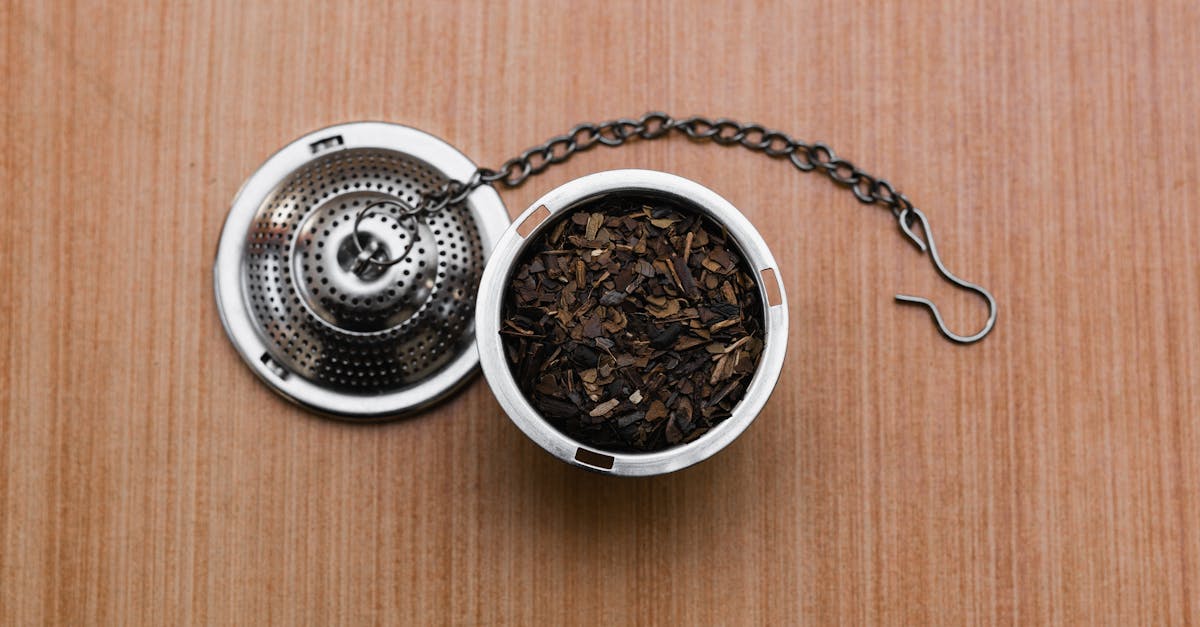
Heat water until very hot but not boiling. Add sage, cover, and let steep for five to seven minutes. Strain before drinking, and limit to once daily, preferably in the afternoon or evening. Listen to your body for any changes.
Safety and Precautions
- One cup per day is generally enough; avoid overuse
- Pregnancy: Do not use without medical advice
- If you have epilepsy or take medications—especially neurological—consult your doctor before use
If the taste of plain sage is too strong, blend it with chamomile or a hint of apple for a milder flavor. The aim is enjoyment, since sustainable routines are pleasant routines.
Making Sage Part of a Broader Wellness Plan
Sage works best when not used in isolation. Combine it with visual and mental breaks, gentle movement, a diet rich in fruits and vegetables, and regular health check-ups. Embrace consistency over quick fixes.
If lingering or severe symptoms affect your memory or mood, consult a healthcare professional for guidance tailored to your needs.
Tip: Enhance the mental clarity effect of your sage tea ritual by putting your phone aside while you sip. This small act can noticeably boost your sense of focus.