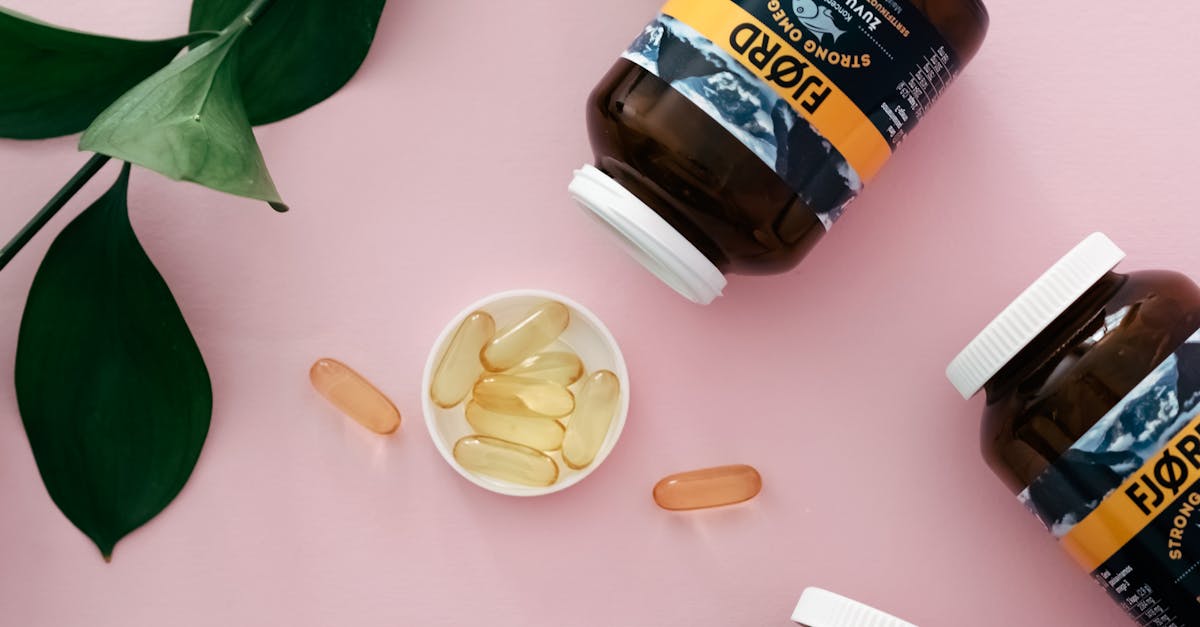
Think Twice Before Adding More Supplements to Your Routine
Many people turn to supplements in the hopes of boosting energy, improving cholesterol, reducing stress, or helping with weight loss. The growing popularity of gummies, capsules, and protein powders has made it seem as if taking something extra is always a healthy move. But even natural supplements can become a burden for your liver and kidneys—especially when used excessively or without proper medical guidance.
How Supplement Overuse Can Affect Your Body
While labels and marketing suggest safety, your body pays attention to dosage, combinations, and duration—not to health claims. Your liver is the central processing plant, breaking down substances, while your kidneys filter and eliminate waste. When these organs are overworked by excessive or unnecessary supplements, they may become stressed or even harmed over time.
Silent Signals: When Your Body Is Overloaded
Early warning signs of organ stress can be subtle and often go unnoticed. Watch for persistent fatigue, nausea, digestive changes, dark or foamy urine, swelling in the ankles, frequent muscle cramps, excessive thirst, itchy skin, yellowing of the eyes, easy bruising, or lower back pain. If you notice any of these symptoms, especially if you regularly use supplements, it is important not to ignore them.
9 Popular Supplements Linked to Liver and Kidney Issues
9. Garcinia Cambogia
Often marketed for weight loss, garcinia cambogia has been linked to potential liver toxicity, primarily with high doses or combinations with other fat burners. Product quality varies, and not all forms are safe for every individual. Always pay attention to abdominal discomfort or digestive issues if you use products with this ingredient.
8. Protein Supplements
Whey isolates, mass gainers, and other protein powders can be beneficial in specific situations—but too much protein may lead to increased nitrogen waste, placing additional strain on the kidneys. Risk rises when combined with inadequate hydration or already high dietary protein intake. Remember: more protein does not always mean more muscle growth.
7. Green Tea Extract
Drinking traditional green tea is not the same as ingesting concentrated extracts, which can contain high levels of substances like EGCG. In elevated amounts, these extracts have been associated with liver injury, especially when combined with intense training or restrictive diets.
6. St. John’s Wort
Frequently used for mood, stress, or sleep, St. John’s Wort can significantly alter liver enzymes that metabolize medications. This may reduce the effectiveness of certain drugs or change their concentration in your body, making both your liver and kidneys work harder to process unfamiliar compounds.
5. Calcium
Essential for bone health and muscle function, calcium supplements—when taken without need—can increase the risk of kidney stones, especially in people who already meet their dietary calcium requirements. Adjusting your dosage to match your actual needs is important for minimizing risks.
4. Red Yeast Rice
Known for its cholesterol-lowering properties, red yeast rice contains compounds similar to prescription statins. These can have similar side effects, such as potential liver damage, which may be more likely if dosing is inconsistent or unmonitored.
3. Kava
Traditionally used for relaxation and anxiety, kava has been associated with cases of severe liver injury, particularly with long-term or combined use. Risks are even greater if you have preexisting liver conditions or use alcohol or other medications regularly.
2. Multivitamins and Multiminerals
While convenient and popular, combined supplements often contain high levels of fat-soluble vitamins (A, D, E, K) that may accumulate in the liver over time. Excess minerals such as iron and zinc can disrupt your body’s balance and add stress to key organs. Many people take these without ever confirming if they have a real deficiency.
1. Vitamin D
Vitamin D is crucial for calcium absorption, but too much can lead to hypercalcemia, which forces your kidneys to work harder to eliminate the excess. Prolonged overuse has been linked to kidney stones and renal problems in certain cases.
Other Ingredients to Watch: Additives and Fillers
Sometimes, health risks lurk in inactive compounds like artificial colors or fillers used to stabilize supplements. Always check ingredient lists and opt for reputable brands that provide clear sourcing and dosage information.
Be Informed, Stay Safe
Supplements are not inherently harmful, but misuse—using them as shortcuts or stacking them without medical direction—can lead to silent, progressive damage. Always check with a healthcare professional if you have persistent symptoms, underlying health conditions, or before beginning any new supplement regimen.