Discovering the Hidden Benefits of Foxtail Grass
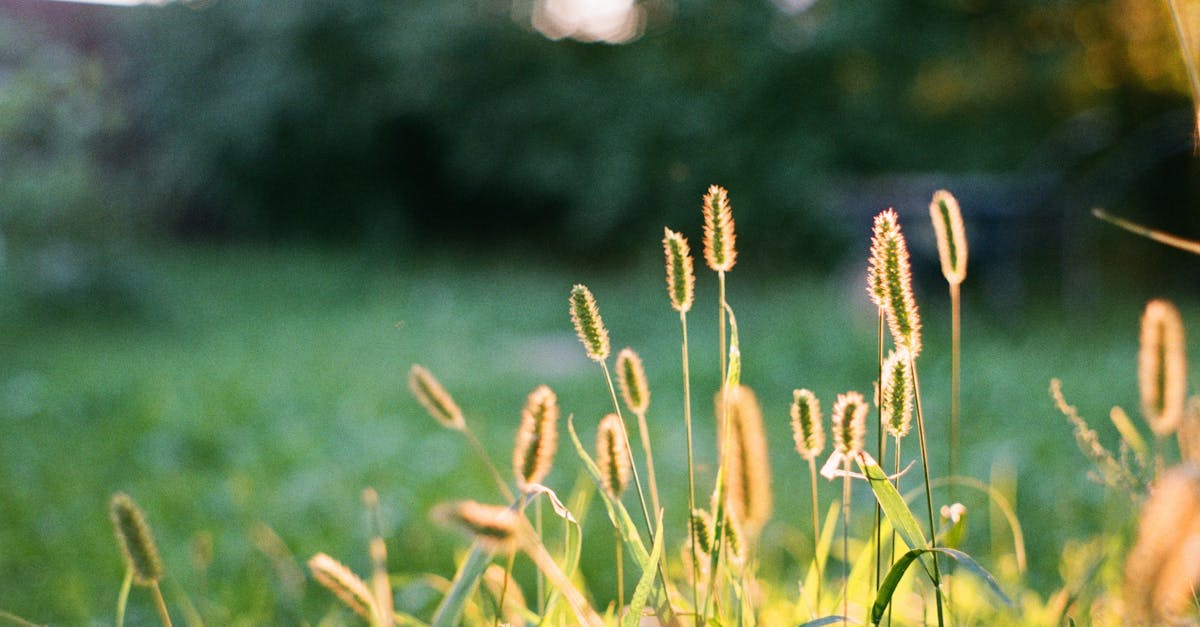
If you have ever cleared your patio or garden only to find fuzzy seed heads scattered around, you may have unknowingly thrown away something useful. In many Mexican homes, foxtail grass (Setaria) is dismissed as a pesky weed, a plant found in planters, vacant lots, or growing by sidewalks. Most people pull it out without a second thought, but this humble plant can offer more than meets the eye.
Why Foxtail Grass Is Often Overlooked
This grass sprouts in unexpected places – lawns, vegetable patches, or along paths. Its fluffy seed head can look attractive at first, but quickly becomes bothersome. It grows rapidly, takes up space, and spreads easily, which is why many treat it as a nuisance. Additionally, there are concerns about its spiky seeds hurting pets. However, it’s worth considering if this so-called weed might have untapped value, especially when managed safely.
Key Rule: Always Handle With Care
Before using foxtail grass, keep in mind: not all Setaria species are the same, and soil conditions can impact their safety. The seed heads can irritate skin or pose risks for pets if ingested or embedded. In this article, you’ll find accessible, practical uses for this plant – all with a responsible approach and without overpromising miraculous results.
Nine Uses for Foxtail Grass (and Why Not to Toss It)
1. Indicator of Soil Health
Foxtail often grows in compacted, depleted, or disturbed soils where other plants struggle. Its presence can signal a need for more soil aeration, organic matter, or ground cover. If your soil is hard and foxtail thrives, it could be telling you something about your garden’s needs.
2. Temporary Erosion Control
In bare or sloped areas, foxtail’s root system can help hold soil and reduce erosion, especially after heavy rain. Allowing it to grow in a controlled patch while you establish more desirable plants may help keep your garden intact.
3. Supporting Simple Backyard Biodiversity
Foxtail provides seed for small birds and creates shelter for insects and other backyard wildlife. While it’s not a top choice for pollinators, letting it grow in a managed wild corner can attract more bird activity and offer teaching opportunities for children.
4. Compost or Mulch Resource
Instead of bagging and discarding foxtail, you can compost the green parts before seeds mature. It mixes well with dry leaves in compost, or can be used as dry mulch to retain soil moisture and suppress weed growth in planting beds. Always ensure you’re not spreading seeds to avoid unwanted regrowth.
5. Competing With More Aggressive Weeds
Foxtail can sometimes serve as a ground cover that out-competes more invasive and problematic weed species. Managed carefully, it can fill space while you rehabilitate the soil or transition to more desirable plants, reducing the spread of thorny or aggressive plants.
6. A Grain With Tradition
Some foxtail species are related to millet, historically consumed as a cereal grain in various cultures. While the seeds have been ground or cooked traditionally, proper identification, careful processing, and soil safety are essential. This fact highlights the plant’s cultural and nutritional potential, though caution and knowledge are needed before any use as food.
7. External Use in Traditional Remedies
Foxtail grass has a legacy in some folk practices, where parts of the plant are used topically as poultices for minor discomforts. There is limited scientific support for these uses, so try only on small skin areas, avoid open wounds, and discontinue if irritation occurs. Always consult a healthcare professional for persistent symptoms.
8. Potential Forage Value and Associated Risks
In rural contexts, foxtail sometimes supplements forage for livestock, providing fiber and bulk. However, mature seed heads can pose dangers for animals—particularly pets—if they become embedded in ears, noses, or paws. For livestock, correct harvesting, timing, and species-specific knowledge are essential. Animal owners should exercise caution and consult agricultural experts as needed.
9. Learning to See Value Where Others See Waste
Perhaps the greatest lesson from foxtail grass is developing an eye for overlooked resources. Rethinking what is discarded in your garden, using foxtail for compost, mulch, or erosion control, can shift your space from a source of frustration to a practical ecosystem. As some gardeners have found, changing your approach to so-called weeds may offer surprising benefits for your yard’s resilience.
Responsible Usage Reminder
While foxtail grass offers many potential uses, always handle it thoughtfully, especially if pets or children are nearby. For traditional health applications, seek advice if any sign of irritation or persistent symptoms occurs. Consulting a healthcare professional is always recommended for health concerns.