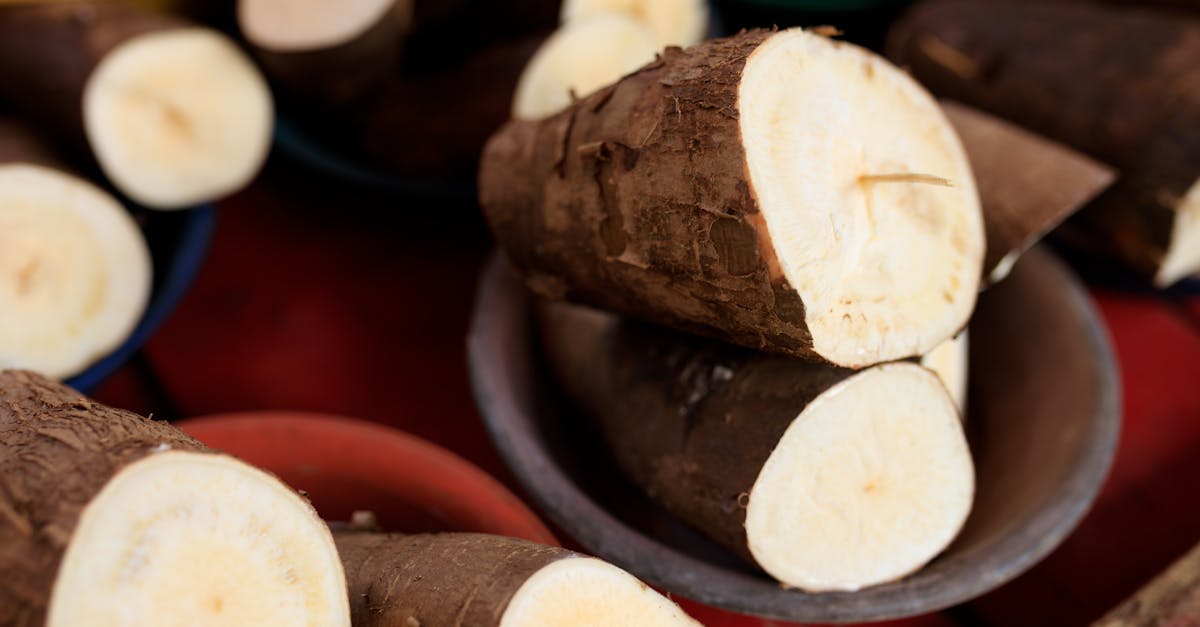
Discovering Cassava: More Than Just a Carbohydrate
For some, cassava is a kitchen staple; for others, it only makes an appearance when someone in the family gets a craving. But this root is much more than just a source of carbohydrates. When prepared intelligently, cassava becomes an ally for supporting energy, digestion, and everyday routines. The experience of cassava depends less on the root itself and more on how it is processed, echoing the traditional wisdom of grandmothers and indigenous communities who passed down clear rules for its preparation. Understanding these makes cassava shift from a simple food to a strategic nutritional choice.
Energy and Digestion: Cassava’s Hidden Strength
Many adults, especially past midlife, commonly experience low energy and slow digestion. These aren’t always medical concerns; meal type, portion size, rushed eating, stress, and lack of fiber all play a role. This is where cassava can make a difference. It provides complex carbs, offering sustained energy rather than the quick peaks and crashes of simple sugars, especially when combined with fiber, protein, and vegetables. However, portion size matters. Large servings, or eating it fried and alone, can feel heavy and might trigger increased hunger soon after. So the key question is not whether to eat cassava but how to make it work for you.
Cassava’s Nutritional Profile: More Than Starch
While cassava is known for calories and carbohydrates, it also brings water, fiber, small amounts of healthy fats, and plant-based protein. Minerals like calcium, iron, magnesium, and potassium are present, along with vitamin C and several B vitamins (B1, B5, B6, and B9), supporting energy metabolism and nervous function. So, the claim that cassava only contributes to weight gain leaves out key nutritional benefits.
Nine Benefits of Cassava, Grounded in Everyday Life
Stable Energy
Choosing cassava with eggs and salsa, instead of the usual bread, can give more lasting energy through the morning. It is the balance and portion that make the difference.
Support for Digestive Comfort
Cassava’s fiber, when part of a diet that includes vegetables and plenty of fluids, may help with regular digestion and less constipation.
Immune Support
Its vitamin C and antioxidant content can contribute to a healthy immune system, especially when combined with a balanced diet.
Appetite Regulation
The mix of complex carbs and fiber is absorbed slowly, helping avoid sudden hunger spikes—portion size remains essential.
Blood Pressure Friendly
With potassium, cassava may help fluid balance and contribute to maintaining healthy blood pressure, as part of an overall heart-friendly eating plan.
Iron Content for Fatigue Prevention
Cassava is a moderate source of iron, which can support diets that are low in this mineral, though it should not replace medical advice if signs of anemia are present.
Mental Focus Support
The B vitamins in cassava assist with energy metabolism and nervous system health, especially useful if your diet is otherwise low in these nutrients.
Antioxidants for Skin Health
While not a skincare treatment, the antioxidants in cassava can contribute to inner balance and support healthier skin when included in a varied diet.
Versatility That Breaks Monotony
Cassava’s flexibility—boiled, baked, pureed, in soups or salads—makes it easy to sustain as part of a healthy routine.
Cassava Safety: The Cyanide Issue Explained
Certain cassava varieties contain compounds that can release toxins when not handled properly—usually located in the peel and sometimes present in the flesh. Traditional practices remain relevant: peel thoroughly, soak if desired, and cook well. Never eat cassava raw or undercooked, and always remove the skin completely. Proper preparation significantly reduces any risk, making cassava safe for most people.
Who Should Be Cautious with Cassava?
While cassava is suitable for most, there are exceptions. Individuals with diabetes or insulin resistance should monitor serving sizes due to cassava’s carbohydrate content—this does not mean total avoidance, but portion control and pairing with fiber and protein. Those with sensitive digestion may find it easier on the stomach when boiled and eaten in moderation. If allergic symptoms are suspected, it is best to discontinue and consult a health professional.
Quick Guide: Cassava Nutrition and Practical Use
Nutrient Highlights
- Complex carbohydrates: Steady energy, best in moderate portions
- Fiber: Promotes regular digestion, most effective when fluid intake is adequate
- Vitamin C and antioxidants: General support, works best in a diverse diet
- Potassium: Fluid balance and can help with mild swelling, monitor if on potassium-restricted diet
- Iron: Supports oxygenation, useful as part of a varied diet
Preparation and Safety Table
- Steady energy: Boiled or baked, 2–4 times per week, limit fried versions
- Digestive support: Light soups or purees, 2–3 times per week, avoid overconsumption
- Portion control: Moderate serving, adjust to activity level, especially with diabetes
- Food safety: Always peel, soak (optional), and cook thoroughly—never eat raw
- Flavor: Baked with seasonings, alternate with other healthy dishes, use salt sparingly
Easy Ways to Add Cassava to Your Meals
- Boiled cassava with a squeeze of lime, a touch of salt, and chili powder
- Baked cassava seasoned with garlic, oregano, and a splash of olive oil
- Cassava soup with vegetables and shredded chicken
Smart Pairings for Balanced Meals
- Combine with protein sources: eggs, chicken, fish
- Add fiber with salads, nopales, or steamed vegetables
- Include healthy fats: avocado or a small amount of olive oil
Common Pitfalls to Avoid
- Eating large amounts of fried cassava
- Serving cassava alone, without vegetables
- Neglecting hydration
Step-by-Step: Prepping Cassava Safely at Home
Step 1: Peel the cassava thoroughly, removing all skin and fibrous layers.
Step 2: Soak in water if desired for extra precaution or specific recipes.
Step 3: Cook using boiling, baking, or other thorough methods. Do not eat raw.
If persistent or significant health symptoms occur, especially digestive or allergic reactions, seek advice from a healthcare professional.