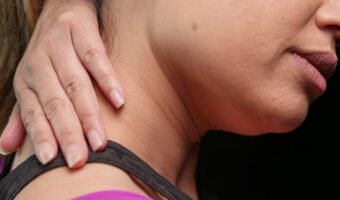
Do You Wake Up Feeling Stiff? You’re Not Alone
If you’ve ever started the day feeling fine—only to notice your body stiff as you take your first steps—you might wonder if it’s simply age catching up. More often, it’s the quiet rigidity in your ankles, hips, or back, as if those joints could use some oil. This isn’t laziness; it’s a natural consequence of modern lifestyles dominated by chairs, hurried routines, and too much sitting. Many worry about falling or losing confidence in their movements. The good news is that regaining stability and energy doesn’t require a gym or dramatic changes—just simple, daily movements done steadily at home.
The Real Challenge: Modern Living, Not Just Aging
You might dismiss the idea of exercise, thinking it’s for athletes or the young. But these daily movements are about reclaiming natural abilities: walking, squatting, balancing, turning, and getting off the floor. Our bodies adapt quickly to stillness, making us less coordinated and more fatigued. A bit of gentle, repeated movement can teach your body to move well again—regardless of your age.
Lessons from Japan: Everyday Habits Over Motivation
Japan often stands out for its population of active seniors, but what truly makes the difference is not genetic luck or perfect diets—it’s the daily practice of simple, functional movements. These routines focus on balance, gentle strength, coordination, and mobility. The underlying principle is accessible everywhere: it’s not about motivation, but about turning movement into a natural, daily habit.
6 Everyday Movements—From Easiest to Strongest
No special clothes or equipment are needed, only intention and consistency. Remember: move slowly, avoid pain, and don’t rush. Consider which movement feels hardest for you (walking, stairs, getting up from a chair)—that’s the best place to start.
Potential Benefits of Daily Practice
- Reduced morning stiffness: Gentle stretching for a few minutes upon waking can make your movements easier and encourage you to keep going.
- Increased walking confidence: Conscious, slow walking trains your feet and attention, helping you feel more grounded and secure outdoors.
- Better coordination: Balancing on one foot—even for seconds—challenges your body to stabilize itself, training not just legs but also your focus.
- Improved hip flexibility: Assisted squats (even shallow ones with support) help restore range in your hips and ankles, making daily motions easier.
- Less discomfort from sitting: Gentle torso twists and dynamic stretching can ease the sense of tightness after prolonged sitting. While not a cure, it may make your body feel more comfortable and mobile.
- More stability in daily activities: Everyday tasks like sweeping or climbing stairs demand real balance and strength. Practicing transitions to and from the floor improves both muscle control and mental confidence.
- Mental clarity: Coordinated, rhythmic movement helps your brain stay sharp and adapt quickly, often improving attention and reaction time.
- Greater independence: Regaining the ability to stand without fear can bring new confidence, promoting autonomy and reducing reliance on others.
How to Practice Each Movement Safely
- Mindful Walking: Walk slowly for 10–20 minutes, at half your usual speed. Step heel-to-toe, breathe naturally, and try to walk on different safe surfaces.
- Dynamic Stretching: In the morning, raise your arms, gently rotate shoulders and trunk, and lean to each side. Avoid abrupt bouncing; focus on gentle movement.
- Assisted Squats: Use a sturdy chair or wall for support. If deep squats aren’t possible, simply go as far as comfortable. Cushioned support under heels can help.
- Single-Leg Stance: Balance on one foot for 10–20 seconds near a wall or countertop (for support if needed). Focus your gaze on a fixed point to help maintain balance.
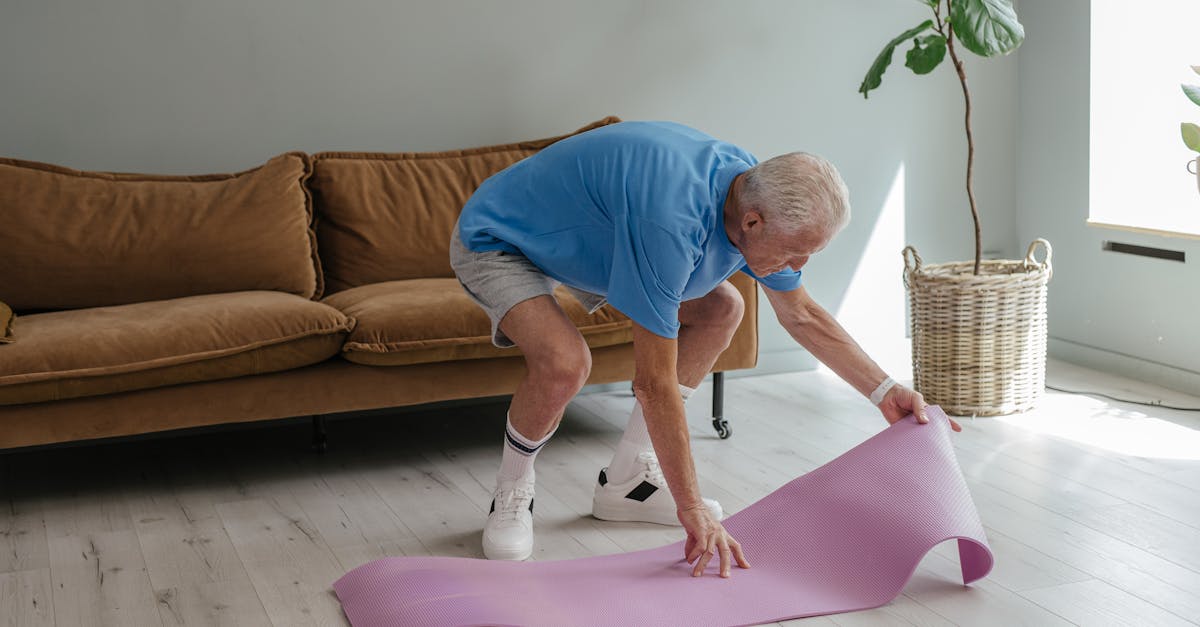
- Floor Transitions: Use cushions and stable surfaces. Supporting yourself with your hands is fine—priority is controlled, fear-free movement, not perfection.
- Controlled Torso Twists: Hold a towel at shoulder height, gently pull outward, and twist your torso while keeping hips forward. Hold each twist briefly, then return center. Move slowly and breathe easily.
Best Times for Each Move
- Walk slowly: in the morning or afternoon
- Dynamic stretching: after waking up
- Assisted squats: during daily breaks
- Single-leg stance: while brushing teeth
- Floor transitions: before meals or TV time
- Towel twists: morning and evening
Three Golden Rules for Long-Term Success
- Short and daily is better than long and rare: Aim for six minutes daily rather than sixty once a week.
- Stay conversational: If you get out of breath, pause and slow down.
- Anchor habits to fixed routines: Pair these movements with your morning coffee, toothbrushing, or television time to make them effortless parts of your day.
Smart Adjustments and Safety Tips
- Painful squats: Try partial squats or add more support.
- Balance concerns: Always have fingers touching a stable surface.
- Sensitive back: Make twisting motions smaller and slower.
- Difficulty with floor transitions: Use extra cushions and sturdy chairs.
- Fatigue: Shorten session time but increase frequency.
Seek professional medical advice if you experience severe pain, dizziness, unsteady balance, or if you have a history of falls. Adjust every movement to your comfort and never push through sharp pain.
Sample 7-Minute Routine (No Equipment Needed)
- 2 minutes: slow, mindful walking (indoors or in a safe outdoor area)
- 1 minute: dynamic stretches for arms, shoulders, and trunk
- 1 minute: alternate balancing on each foot with support if needed
- 1 minute: wall- or chair-supported assisted squat
- 1 minute: slow transition to and from the floor, with assistance if required
- 1 minute: torso twists using a towel, 6–8 reps per side
If this sounds easy, that’s the point: simplicity promotes consistency. What we repeat becomes ability. Choose just two movements to start and build from there. Over time, these small daily actions add up to restored confidence and independence.