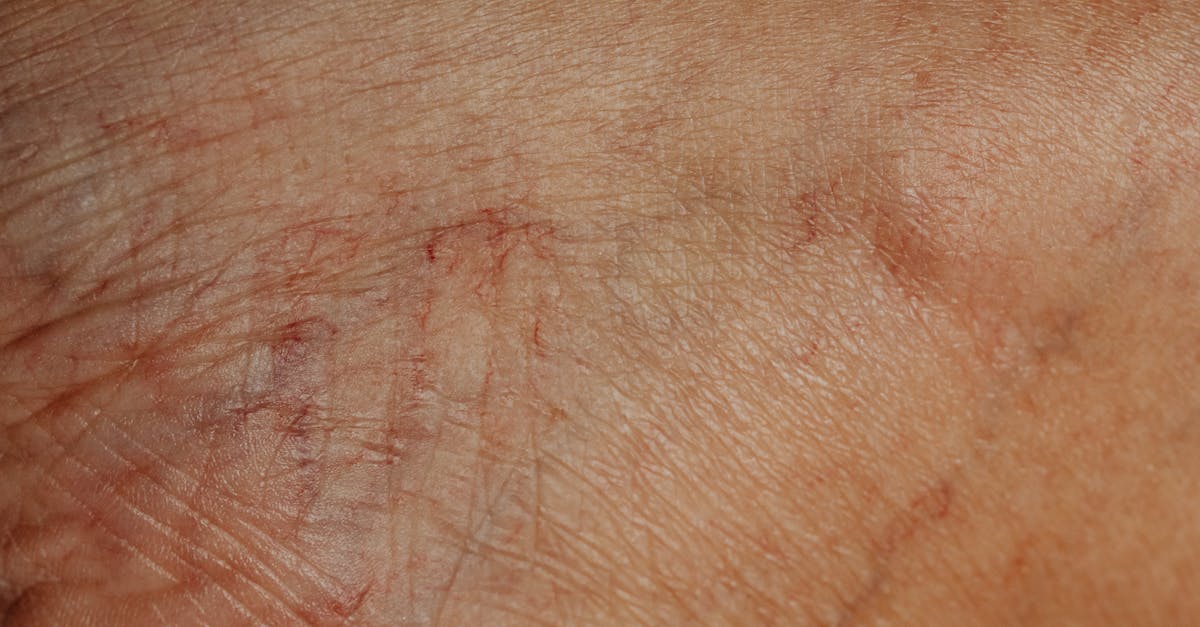
When White Spots Appear on Your Skin After 50
Noticing a small white spot on your arm might seem harmless. It could simply be a result of years in the sun, dehydration, or something more. As new patches appear on your legs, chest or hands, it’s natural to wonder about the cause. While white spots are often linked to aging, they can signal changes in the skin’s health, from dryness and fungal issues to nutritional deficiencies or immune responses. The important thing is that many causes are treatable—if detected early.
Understanding Why Your Skin Shows White Patches
Our skin quietly reflects internal and external shifts. As we age, the skin’s ability to regenerate slows, and imbalances become more visible. Melanin—the pigment responsible for skin tone—is produced by specific cells. When these cells underperform in certain areas, those spots appear lighter. Not all white patches are created equally: sometimes it’s due to fungus, sun exposure, old trauma, or immune changes. Instead of guessing, paying attention to patterns—such as location, itchiness, scaling, or size changes—can provide important clues.
8 Common Causes of White Spots After 50
8. Extended Use of Certain Products or Medications
Using strong creams, particularly those with corticosteroids or depigmenting agents for long periods, may lighten patches of skin where applied. This often happens unintentionally while trying to treat an irritation. If you notice spots where you regularly use a product, consider reviewing your skincare routine before attempting to conceal them.
7. Post-Inflammatory Hypopigmentation
After healing from injuries, burns, eczema, or allergic reactions, some areas may heal with less pigment, especially as skin recovers more slowly with age. These patches usually appear where previous trauma occurred, and while tempting to scrub or exfoliate, gentle barrier care and sun protection work better in the long run.
6. Pityriasis Alba: Dryness-Related White Patches
Pityriasis alba often appears as pale, slightly dry patches on the face or arms. Unlike chalky white spots, these look like faint shadows and may worsen with cold weather or frequent hot showers. Regular moisturizing and mild cleansers, along with sun protection, can contribute to improvement.
5. Pityriasis Versicolor: The Common Fungal Cause
This condition is due to an overgrowth of yeast naturally present on the skin, affecting melanin production. It most commonly appears on the chest, back, or arms and may show as light, pink, or brown spots, sometimes with fine scaling. It’s important to know this is not related to poor hygiene but to a change in the skin’s ecosystem, and can usually be addressed with proper treatment.
4. Idiopathic Guttate Hypomelanosis: Sun-Related Dots
Small, round white spots, often on the shins or forearms, are typical after decades of sun exposure. While they’re usually harmless and don’t itch or peel, wearing sunscreen and practicing careful sun avoidance can help prevent new spots from developing.
3. Nutritional Deficiencies: Copper, Vitamin B12, and Vitamin D
Low levels of certain vitamins and minerals can affect skin pigmentation. Sometimes, these deficiencies come with other symptoms like fatigue, tingling, or mood changes. If these coincide with white patches, checking your nutritional status may be worthwhile, as correcting deficiencies can sometimes help restore pigmentation.
2. Lichen Sclerosus: An Overlooked, Sensitive Cause
This condition usually affects the intimate area and presents as thin, sensitive, white patches of skin, often with discomfort or itching. It’s frequently mistaken for normal dryness but should be evaluated by a healthcare professional, especially if the skin feels persistently sore or fragile.
1. Vitiligo: When the Immune System Targets Pigment
Vitiligo occurs when the immune system affects cells that produce skin pigment, resulting in sharply defined white patches. These often appear symmetrically on the hands, face, or body. Early identification and medical guidance can help stabilize the process in some cases, but not all white spots are vitiligo—confirm with a professional before drawing conclusions.
Recognizing Patterns to Identify the Cause
Observing where and how spots appear—do they itch, scale, or follow a past injury—can reveal much about their possible origin. Relying on these patterns is often more revealing than home remedies.
If you experience persistent or worsening symptoms, or notice associated fatigue, pain, or skin changes, it’s wise to consult with a healthcare provider to discuss your options. Professional guidance is especially important when white patches cause discomfort or concern.