The Underappreciated Potential of Papaya Latex
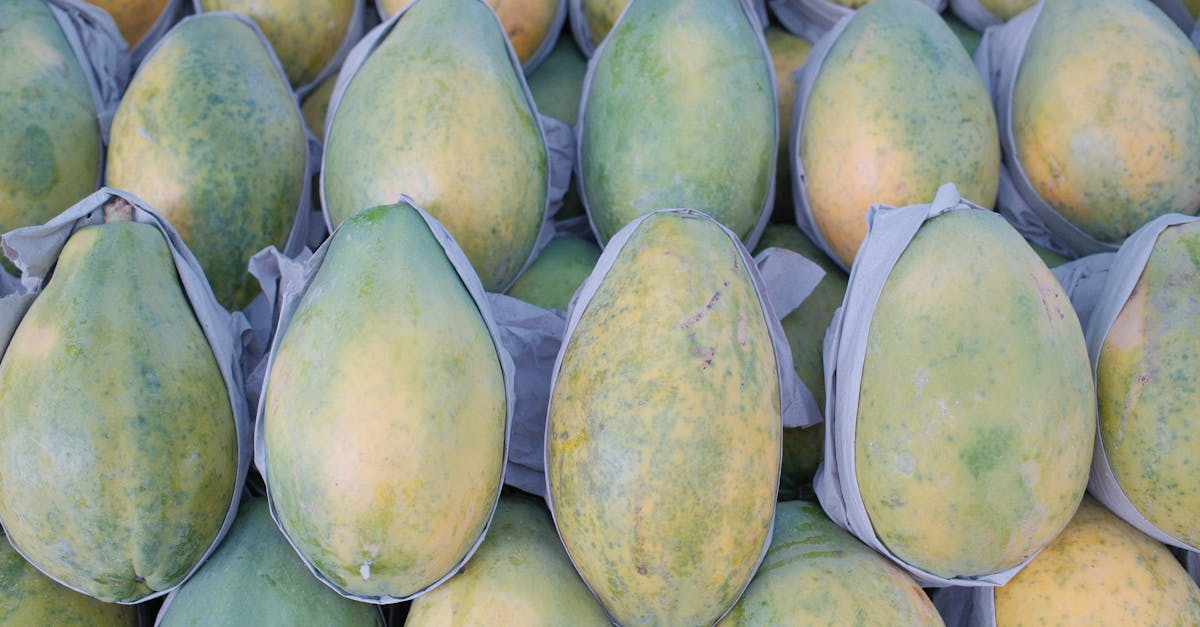
Many of us are familiar with the discomfort after heavy meals, the slow healing of minor wounds, or skin that seems unusually rough. While these issues are likely not serious, they can affect your daily comfort and energy. More people are turning to traditional remedies to address such everyday concerns, and papaya latex — the thick, milky sap obtained from unripe green papaya — is one option with a long history and intriguing properties worth considering.
Papaya latex is prized for its abundance of proteolytic enzymes, especially papain and chymopapain, which help break down complex proteins. Early research, mostly from lab and animal studies, highlights possible support for digestion, tissue recovery, and certain inflammatory processes. However, evidence remains preliminary, and effects may vary individually. Many tropical cultures have included papaya latex in holistic wellness practices, not only for its unique composition but also for its synergy: papaya latex delivers a natural blend of enzymes in their unprocessed form, unlike isolated or synthetic alternatives. This broader enzymatic profile and traditional use make it particularly attractive for those interested in integrative approaches.
Nevertheless, as with any natural health solution, it’s important to combine curiosity with caution. What practical benefits does papaya latex offer? Here are 18 potential areas of support, based on tradition and initial studies.
18 Potential Benefits of Papaya Latex (Papain)
- Protein Digestion Support: Papain may make it easier to digest protein-rich foods like meat, enhancing comfort after meals.
- Modulating Everyday Inflammation: Early studies suggest these enzymes might help balance mild post-activity inflammation.
- Healing of Minor Wounds: Papain has been observed facilitating the removal of dead tissue, which can aid in the recovery of superficial wounds.
- Gentle Skin Exfoliation: When used topically in diluted form, papain helps remove dead skin cells for a smoother appearance.
- Traditional Soothing for Sore Throat: Highly diluted latex preparations have a history of use for easing throat discomfort and mucus, though care is needed.
- Tenderizing and Digestion of Meat: Papain is a well-known natural meat tenderizer, which can indirectly aid digestion for some people.
- Interest in Gut Balance: Some lab studies hint at antiparasitic activity, but more research is needed to confirm effects in humans.
- Reducing Mild Swelling After Bumps: Athletes or active individuals note milder swelling, possibly due to anti-inflammatory properties.
- Antioxidant Activity: Papaya contains compounds that show antioxidant effects in early research, potentially supporting the fight against oxidative stress.
- Sinus Comfort: Papain’s ability to act on thick mucus has drawn interest for sinus support.
- Interest in Weight Balance: Emerging animal studies look at papain’s possible role in fat metabolism, though conclusive human research is lacking.
- Immune System Support: Initial findings suggest papain could influence certain immune responses when used as a complementary aid.
- Traditional Oral Care: In some cultures, topical papain is used (with care) to help maintain gum comfort and cleanliness.
- Mild Nerve Discomfort: There are anecdotal reports of relief from minor nerve discomfort, though science is still catching up.
- Minor Burn Recovery: Papain may help clear dead tissue in minor burns under professional supervision.
- Emerging Antiviral Interest: Some laboratory tests are exploring how papain interacts with certain viruses, but this area requires much more study.
- Circulatory Support: Proteolytic activity might help break down fibrin-like protein accumulations according to preliminary data.
- General Wellness Through Natural Synergy: The combination of enzymes offers a broad-spectrum approach for those seeking balanced support as part of a healthy lifestyle.
How to Explore Papaya Latex Safely
Safe Use Options
Papaya latex in its raw form can be quite irritating, so safety is crucial:
- Standardized Papain Supplements: Commercially prepared papain supplements are designed for internal use and offer predictable dosing.
- Diluted Topical Use: Only use commercial topical products and always conduct a patch test before broader application.
- Green Papaya in Cooking: Well-cooked green papaya can be added to stews or soups for digestive support, never eaten raw.
What to Avoid
- Never consume fresh latex directly or apply it pure to the skin.
- Avoid use if you have a latex allergy.
Gradual Introduction Strategy
- Week 1: Try diluted topical products and monitor for skin reactions.
- Week 2: If tolerated, consider a commercial supplement starting at a low dose.
- Always discuss new remedies with a healthcare professional, especially if you have health conditions, are pregnant, or use medications.
Quick Safety Tips
- Always perform a patch test before use.
- Avoid during pregnancy or while breastfeeding.
- Discontinue if you notice irritation or discomfort.
- Do not combine papaya latex with medications without medical advice.
Usage Guide: Forms and Precautions
| Form | Potential Support | Key Precaution |
|---|---|---|
| Papain supplement | Digestion | Respect dosage instructions |
| Diluted topical preparation | Skin | Do a patch test first |
| Cooked green papaya | Gentle digestion | Never eat raw |
| Fresh latex | — | Avoid |
Papaya latex and its key enzyme, papain, hold promise as a natural resource for digestive comfort, mild skin support, and everyday well-being. They are best explored thoughtfully, starting with commercially prepared products and evidence-based information. Effective self-care is built on small, consistent steps and staying informed. If you experience persistent or concerning symptoms, always consult a qualified healthcare provider for personal guidance.