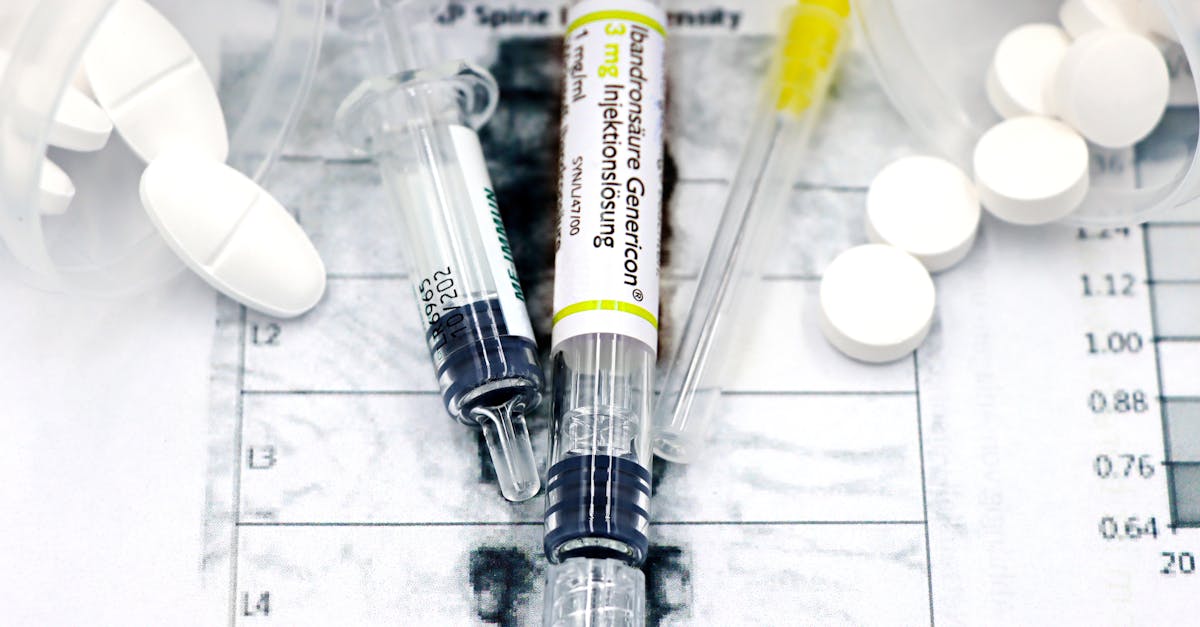
Why Healthy Bones Require More Than Just Calcium
Conditions like osteoporosis, osteopenia, and unexpected joint pain remind us that bone health is more complex than simply increasing calcium intake. Many individuals follow recommendations by supplementing with calcium, possibly adding vitamin D, and still experience concerns about bone strength. This raises an important question: Why do some people with high dairy consumption still face bone fragility, while others with less-than-perfect diets stay active and fracture-free? Understanding this discrepancy means looking beyond basic mineral intake.
Bones Are Living Tissues, Not Concrete
Your skeleton is not static—it is continuously renewing itself, much like a house under constant remodeling. Cells called osteoblasts build new bone, while osteoclasts break down the old. A healthy balance between these two ensures structural integrity even in older age, provided the internal environment supports bone renewal.
The problem arises if osteoclasts become overactive, or if osteoblasts lack the resources required to rebuild effectively. This imbalance can slowly progress from early bone thinning (osteopenia) to more advanced weakening (osteoporosis), raising the risk of fractures and pain. While age is a factor, another often-overlooked trigger is chronic oxidative stress and low-grade inflammation in the body—conditions that rarely cause immediate symptoms, but can quietly impair bone renewal over time.
The Real ‘Hidden Nutrient’: Your Everyday Antioxidant Defense
Everyday living generates oxidative byproducts, a normal part of metabolism. However, consuming a diet high in processed foods, added sugars, excess salt, frequent alcohol, poor sleep, and limited vegetables can intensify oxidative stress. When this happens, bone breakdown may outpace building, potentially weakening the skeleton over time. Here, the real ‘hidden nutrient’ is not a single mineral pill but the natural antioxidants and phytochemicals found in whole foods—especially fruits, vegetables, whole grains, and nuts. These substances help maintain a healthier internal environment for ongoing bone renewal.
Two Accessible Foods for Stronger Bones
If you’re looking to improve bone health with simple foods readily available in Mexico, focus on this duo, with each playing a unique role:
Prunes: Supporting Bone Formation
Prunes are more than just a fiber-rich snack; they contain phenolic compounds and nutrients that may favorably affect bone formation markers, especially in postmenopausal women. For practical use, include a moderate portion as a morning or afternoon snack, possibly paired with natural yogurt, seeds, or nuts to moderate their sweetness. However, if you have concerns about blood sugar or diabetes, discuss appropriate portions with a doctor or nutritionist, as prunes are still concentrated fruit. Consistency over time, not excess, is key to their potential benefit.
Almonds: Helping Reduce Bone Loss
Almonds contribute magnesium, vitamin E, and healthy fats—nutrients associated with improved metabolic and inflammatory profiles. These qualities may gently slow bone breakdown rather than block it outright. Magnesium, for example, is not just important for nerves; it also influences mineral balance and muscle health, which matter for bone integrity. For best results, enjoy a small daily serving of almonds as part of a structured snack or meal. Soaked almonds can be gentler for those with dental concerns, and adjusting the portion can minimize digestive discomfort. Keeping to a moderate, regular routine matters more than quantity.
Together, these two foods create a practical, sustainable approach: prunes to encourage bone building and almonds to help limit bone loss.
Signs Your Bones May Benefit From a Renewed Approach
Improving your body’s repair environment can lead to several encouraging developments, such as:
- Greater confidence while walking, as balance and strength may increase with steady dietary improvements
- Reduced unexplained aches or general stiffness, especially when processed foods are replaced with real, nutrient-rich options
- Better digestion and absorption of nutrients critical for bone health
- Improved sleep, which supports the natural nightly process of bone renewal
- Less fatigue during daily activities, reflecting enhanced structural support
- Higher motivation for physical movement, which further encourages bone strength
- Healthier metabolic markers, as reduced inflammation often accompanies better bone status
- A more empowered attitude towards screening tests like bone density scans
- A renewed physical sense of stability and resilience
Lifestyle Factors That Can Accelerate Bone Loss
Alongside diet, it’s crucial to minimize factors that silently harm bone health:
- Frequent consumption of ultra-processed foods, which promote inflammation
- Excessive sugars and salts, both of which can negatively impact bone metabolism
For persistent symptoms, pain, or other health concerns, consult a qualified healthcare professional for guidance tailored to your needs.