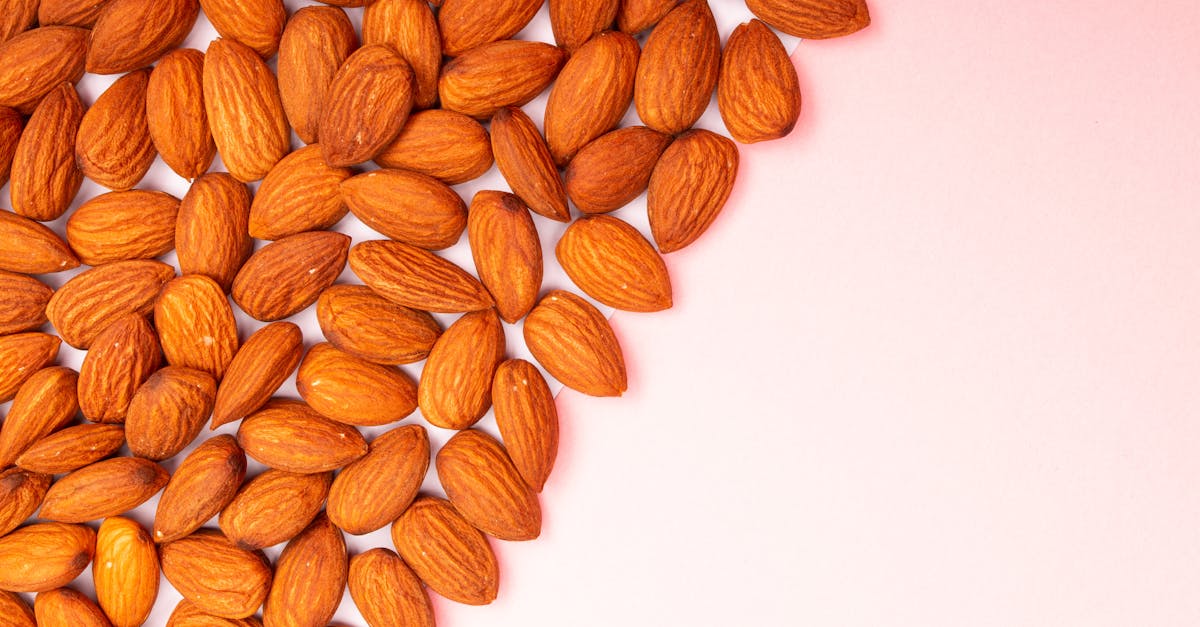
Boosting Bone Health with a Smart Snack
Picture yourself opening a bag of nuts in the afternoon, savoring the crunch and the roasted aroma. While often enjoyed as a simple treat, you might not realize that this small habit could be quietly supporting your bones. Osteoporosis is not just a concern for older women; it affects both men and women, sometimes going unnoticed until a fall or fracture occurs. Bone strength starts building in childhood and adolescence, and the choices you make now influence your bone density in the future.
Why Bones Need Extra Attention Over Time
Contrary to how they might seem, bones are living tissue—constantly renewing and adapting. As years go by, this balance can tip, leading to conditions like osteopenia or, in more advanced cases, osteoporosis. Women may lose bone mass faster after menopause due to hormonal shifts, and inactivity or low vitamin D and mineral intake further increase the risk for everyone. The crucial question is: Are you continuously “recharging” your calcium reserves, or just drawing from them?
The Often-Overlooked Plant-Based Source of Calcium
When people think of plant-based calcium, beverages and seeds often come to mind. But calcium isn’t just about how much is present — it’s also about absorption. Some foods are rich in calcium on paper, but our bodies extract less from them. Dairy remains a staple for easily absorbed calcium, and small fish eaten whole, like sardines, also help. Yet, certain tree nuts—especially almonds and hazelnuts—provide a meaningful, natural plant-based option. They offer around 250 mg of calcium per 100 g, though eating this quantity daily is impractical. The trick is to focus on a sensible portion—the “smart handful.”
The Right Way to Add Almonds
A typical portion is about 25–30 g (a small handful) daily. While almonds alone won’t meet your entire daily calcium needs (like the recommended 1000 mg for adults), they work best as part of a balanced strategy that includes other calcium sources. In addition to calcium, almonds provide minerals that assist the body’s ability to use that calcium efficiently.
Beyond Calcium: Almonds and Their Nutritional Team
To fulfill its role in bone structure, calcium needs helpful partners. Vitamin D, phosphorus, and magnesium play essential roles, and almonds naturally contain both magnesium and phosphorus in addition to calcium. Including almonds as part of a varied diet can therefore contribute additional support for bone and muscle health, without the need for supplements in many cases.
What About Almond Drinks?
It’s common to think that drinking almond milk is similar to eating almonds, but most commercial almond beverages contain very little actual almond—sometimes the amount in a small handful is spread across an entire liter. While many are fortified with added calcium, the blend of nutrients and absorption profile is not the same as whole almonds. These drinks can fit into a healthy eating pattern but shouldn’t be seen as a direct replacement for the nut itself.
Potential Benefits of Almonds for Bone Support
Daily Self-Care Reminder
For some, carrying a small pack of almonds acts as an intentional reminder to choose healthier snacks over ultra-processed, high-salt options. The simple habit of replacing salty or sugary snacks with almonds can make a difference, as regular, repeatable changes tend to have the most impact over time.
A Practical Calcium Boost
Almonds supply a helpful fraction of daily calcium, working together with dairy, small fish, and other sources as part of a consistent routine—without needing large amounts or rigid diets. Steady, manageable habits beat extremes for long-term bone health.
Essential Minerals for Better Nutrition
Alongside calcium, almonds provide magnesium and phosphorus, minerals involved in bone remodeling and maintenance. This nutritional package adds valuable support, especially when paired with an overall balanced eating plan.
Choosing Unsalted Almonds
Picking natural or unsalted roasted almonds avoids excess sodium, which can otherwise lead to fluid retention or affect blood pressure—especially important for those already consuming higher amounts of salt.
Vitamin E and Antioxidant Benefits
With their vitamin E content, almonds supply antioxidant support that helps protect cells from oxidative stress. While this doesn’t directly strengthen bones, it can contribute to broader metabolic and cellular health, especially in diets low in fresh foods.
If you experience ongoing or severe symptoms related to bone health, consult a healthcare professional for personalized advice.