Miracle Leaves and Cancer: Myths Versus Real Strategies
It is not uncommon to come across videos or messages that promote the idea of a secret plant capable of eradicating cancer cells—something that mainstream medicine supposedly keeps hidden. Out of fear and uncertainty, these stories gain traction quickly. For families confronted with cancer, the allure of a simple fix is understandable. However, such promises, if followed at the expense of proven therapies, pose real dangers. Let’s take a balanced, thoughtful look at what really matters in the fight against cancer.
The Real Environment Where Cancer Thrives
Experts generally agree on some key points: cancer cells consume a lot of glucose, often thrive in low-oxygen environments, and seem to flourish in bodies affected by chronic inflammation and unhealthy habits. This does not mean that sugar is the sole cause of cancer, nor that deep breathing alone can treat tumors. Rather, these factors influence the terrain in which cancer might develop, and here is where you can make a difference through your lifestyle choices.
The Temptation of the Miracle Leaf
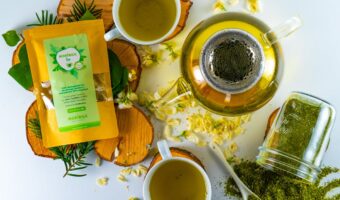
Online, the ‘miracle leaf’ is often linked to plants such as wheatgrass, moringa, or soursop—and sometimes presented alongside conspiracy theories about doctors or pharmaceutical companies. It’s crucial to clarify: no single leaf has been proven in humans to cure cancer on its own. Certain plants contain compounds being researched for their potential health benefits, but they should never replace medical treatment. Your health deserves decisions rooted in evidence, not in unproven hype.
Responsible Use of Plants: Complement, Not Cure
This is not to say all these plants are useless. Many contain antioxidants, chlorophyll, or other nutrients under laboratory investigation. They may play a supporting role in a diet rich in vegetables, especially when paired with the guidance of your healthcare team. Understanding plants as potential supplements, rather than substitutes, is vital.
Seven Foundations for a Body Less Prone to Cancer
Instead of searching for a single miracle ingredient, focus on key habits known to support overall health and reduce the risk of various cancers. While no approach is a guarantee, these foundational steps can favorably tip the balance.
1. Moderate Added Sugars Without Fear
After hearing that cancer thrives on sugar, some may think to eliminate all fruit or glucose from their diet. The key is balance: whole fruits, legumes, whole grains, and tubers provide steady energy, while minimizing sweetened drinks and pastries supports a healthier environment for your cells.
2. Move to Improve Oxygenation
Physical activity—be it walking, swimming, dancing, or gentle home routines—boosts circulation and oxygen delivery to tissues. Regular movement, even in small amounts, is a powerful message to your body and supports overall well-being.
3. Fill Your Plate with Plant Diversity
Diets rich in vegetables, fruits, legumes, nuts, and seeds are consistently linked with lower risks for many chronic diseases. Gradual changes, such as adding salads or switching to wholegrain breads, can lead to improved digestion and energy.
4. Maintain a Healthy Weight and Address Silent Inflammation
Excess body fat promotes silent inflammation, which is associated with an increased risk of certain cancers. The aim is not perfection in physique but a supportive internal environment, achieved through steady improvements in diet and activity.
5. Prioritize Restful Sleep and Manage Stress
The immune system needs rest to function effectively. Inadequate sleep and chronic stress can limit your body’s defense mechanisms. Building a sleep-friendly routine and limiting screens before bed can make a difference in energy and resilience.
6. Work With Your Healthcare Team
It is risky to abandon medical treatments in favor of unproven remedies. Cancer therapy can be complex, with both challenges and proven benefits. Always consult your medical team if you’re considering introducing natural supplements or lifestyle changes—they can help assess safety and appropriateness.
7. Take an Active Role in Your Health
The most significant change may come from your mindset—from feeling powerless to becoming an active participant in your health journey. Many find adopting healthier habits offers a sense of control and peace, even when facing difficult treatments. The symbol of the miracle leaf is just that—a symbol. The true strength lies in the small, consistent choices you make every day.
Myth Versus Evidence-Based Action: A Comparative Table
| Aspect | Miracle Leaf | Evidence-Based Approach |
|---|---|---|
| Promise | Quick, secret cure | Reduced risk, comprehensive support |
| Role of Plants | Sole treatment | Potential complement |
| Relationship With Doctors | Distrust | Collaboration |
| Timeframe | Rapid results | Gradual changes |
| Safety | Unclear | Assessed case-by-case |
How to Use Leaves and Plants Safely
If you are interested in adding wheatgrass, moringa, soursop, or other leafy plants to your diet, do so thoughtfully. Include them as part of a balanced approach—whether as chlorophyll-rich greens in juices, herbs for calming teas, or leafy vegetables in your meals. Respect the science and your own health needs, and incorporate them alongside—not instead of—medical advice.
If you experience persistent or severe symptoms, it is important to consult a qualified healthcare professional for guidance.