Rediscovering a Time-Honored Remedy for Restful Nights
For many people, tiredness at bedtime doesn’t guarantee an easy transition to sleep. The mind may race with lingering thoughts, worries, or reminders of unfinished tasks. Modern life—with its screens, constant notifications, unpredictable schedules, and endless news—often keeps the nervous system on high alert, making restful sleep elusive.
While reaching for quick-fix tablets is common, many are rediscovering the calming power of a simple tradition: an ancient herbal tea, cherished by previous generations for its gentle soothing effects. Beyond the ingredients themselves, this ritual signals to the body that the day is winding down, allowing a natural shift into a state of relaxation.
Why Sleep Can Feel Out of Reach
For millions, sleep troubles aren’t always classified as severe insomnia, but they can include difficulty falling asleep, waking frequently, or feeling unrefreshed each morning. Common signs include lingering fatigue, irritability, poor concentration, or a restless mind at night. Quick solutions may work temporarily, yet they often don’t address the deeper need for restorative rest.
The Calm Wisdom of Herbal Rituals
Long before modern medicines, people turned to plants. The evening ritual of brewing tea was more than just a nightly beverage—it communicated to both mind and body that it was time to unwind. This repeated act helped establish a natural pattern of relaxation and sleep.
Today, with increasing scientific interest, many traditional herbs have been found to contain natural compounds that may support relaxation and better sleep. Here is a classic recipe that has remained popular through generations.
A Gentle, Restorative Herbal Tea Recipe
Simple Ingredients
- 1 cup of water
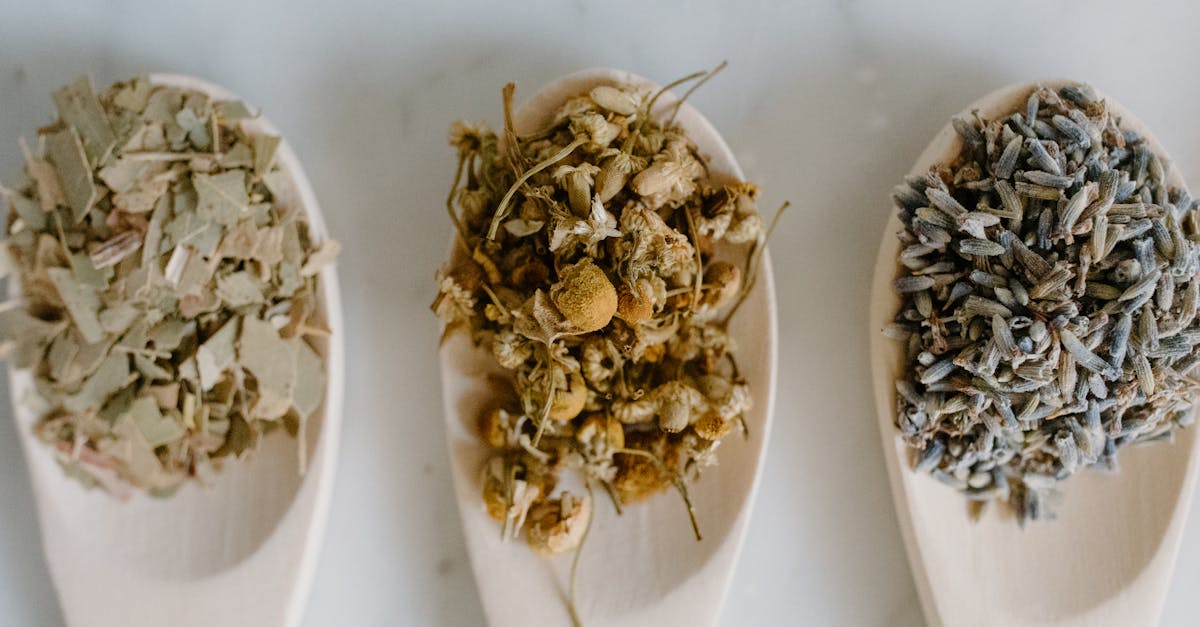
- 1 teaspoon dried chamomile
- 1 teaspoon valerian root
- 1 teaspoon dried lavender
This blend uses familiar plants, avoiding complication and keeping the focus on calm.
Preparation Steps
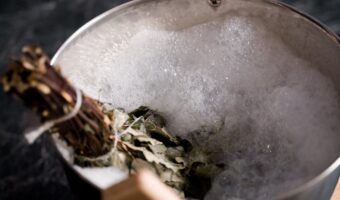
- Heat the water until it just begins to simmer.
- Remove from heat and add chamomile, valerian, and lavender.
- Cover to preserve the fragrant oils and let steep for 5 to 10 minutes.
- Strain and drink the tea while warm, about 20 or 30 minutes before bed.
Take your time—preparing and drinking the tea mindfully enhances its calming effect, making the transition into night less abrupt.
The Role of Each Herb
Chamomile: The Classic Calmer
Chamomile is widely celebrated for its mild calming properties. Traditionally, it has been used to ease tension and support a sense of overall tranquility. Many people find that chamomile helps the body unwind and breathe more deeply.
Valerian: A Quiet Mind’s Companion
Valerian root has a long history of use for nervousness and occasional sleeplessness. Rather than forcing sleep, it may help settle racing thoughts—especially helpful when mental restlessness, not physical tiredness, is the main barrier to sleep.
Lavender: Floral Support for Emotional Calm
Lavender adds a pleasing aroma and subtle floral taste associated with relaxation. In tea, it can bring a gentle emotional calm that encourages the body and mind to release the day’s tension.
Potential Benefits of This Nighttime Ritual
- A gradual, gentle sense of calm develops while drinking the tea
- Reduced muscle tension, particularly in shoulders and neck
- Steadier, slower breathing
- Fewer repetitive or anxious thoughts
- Clear signal to the body that the day is done
- Falling asleep more easily and with less effort
- Potentially fewer nighttime awakenings
- A sensation of more restful, restorative sleep
- A moment of mindful self-care at the day’s end
Herbal Tea vs. Other Nighttime Options
| Option | How It Works | Sensation Upon Waking |
|---|---|---|
| Herbal Tea | Gradual relaxation | Light, refreshed |
| Sleep Medication | Direct sedation | Heaviness possible |
| Alcohol | Superficial sedation | Fragmented rest |
| Screens Before Bed | Stimulate the mind | Mental fatigue |
Often, the value lies not in how quickly you fall asleep, but in the quality of rest you achieve.
Enhancing the Ritual’s Effect
Simple habits can make this tea even more effective:
- Dim lights as bedtime approaches
- Avoid screens after brewing the tea
- Drink slowly and savor the aroma
- Practice deep breathing between sips
- Maintain a consistent sleep schedule
There is no need for extreme measures—gentle routines are often the most sustainable.
Important Precautions
Even natural remedies should be used with care. Avoid valerian if pregnant or breastfeeding. Do not mix this tea with alcohol or sedative medications. If you take medications for anxiety or sleep, consult a health professional first. Start with one cup to see how your body responds, as natural does not always mean free from side effects.
Does This Tea Work Instantly?
Results can vary. Most people find that this tea supports a smoother transition into sleep, rather than acting as a quick fix. Focus on creating a regular ritual and allowing your body to ease into rest, rather than expecting immediate effects.
A Tradition Worth Preserving
Reintroducing this ancient tea into your evenings is about more than just brewing herbs—it’s permission to pause, unplug, and tell your body the day’s demands are behind you. In a world that encourages constant activity, this gentle message is profoundly valuable.
This article is for informational purposes only and does not replace professional medical advice. For persistent sleep problems or concerns, consult a healthcare provider.