Understanding Stomach Ulcers: More Than Just a Burning Sensation
If you are among the many who wake up with a burning pain beneath your ribs or find your meal times clouded by discomfort, you are not alone. Stomach ulcers, often masked with antacids or ignored, can escalate without clear warnings. While medical guidance is essential—since ulcers can be linked to causes like Helicobacter pylori infection, anti-inflammatory medication use, or ongoing stress—your daily food choices also play a role in how your stomach feels and heals.
Your diet acts as a set of signals to your stomach tissue. Elements like the temperature of your drinks, how thoroughly you chew, and your meal timing all add up. It helps to notice when the pain is at its worst—whether before breakfast or after dinner—since this pattern may hint at underlying irritation triggers.
Potential Benefits of Eating with Your Stomach in Mind
Shifting what and how you eat is not a cure, but it may offer practical benefits reported by many who combine medical advice with gentle dietary adjustments:
- Reduced morning discomfort: Swapping out carbonated drinks for soaked oats, for example, may ease that fiery wake-up.
- Less pain after meals: Foods that create soft gels or coatings in the stomach can make digestion less punishing.
- Improved sleep: Steering clear of caffeine and heavy dinners may help you rest better, which supports natural healing.
- Decreased bloating: Choosing the right fiber and avoiding foods that ferment heavily can lessen uncomfortable swelling.
- Lower reliance on quick fixes: Supporting your stomach with gentler foods might help reduce the urge to reach for antacids so often.
- Healthier appetite and energy: As pain subsides and your relationship with food improves, appetite and energy may gradually return, improving your overall quality of life.
- Less irritability and more normal meals: Lower gut irritation can translate to a calmer mood and more enjoyable eating experiences.
5 Foods That May Help Comfort and Repair the Stomach Lining
1. Cabbage: A Time-Tested Choice for Stomach Support
White cabbage contains methylmethionine—sometimes called vitamin U—compounds recognized for their potential to support the stomach lining. For best benefit, try it raw as a small glass of diluted juice or in mild fermented form, as overcooking can diminish its value. Always start with a small amount to gauge your own tolerance.
2. Broccoli: For Those With H. pylori-Related Ulcers
Broccoli is rich in sulforaphane, a substance that has shown promise in laboratory studies for discouraging the growth of certain microorganisms, including H. pylori. Although not a substitute for prescribed treatment, lightly cooked small portions can be a useful addition to your routine—avoid overcooking or eating large amounts, which may cause excess gas.
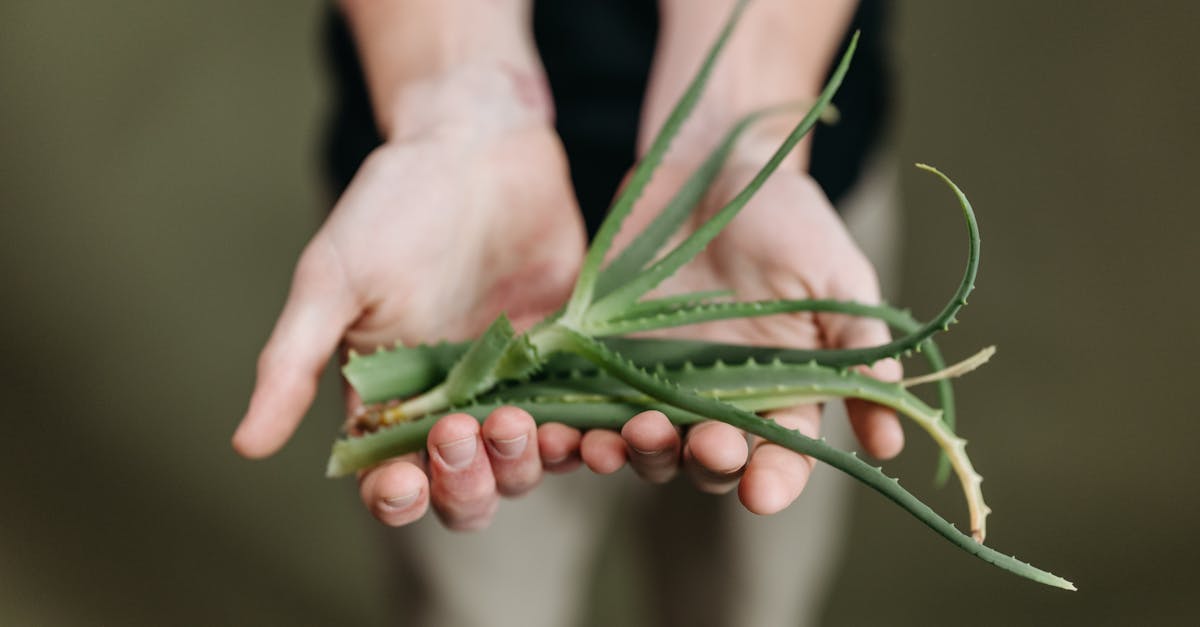
3. Aloe Vera Gel: Gentle, Soothing Texture
The gel within aloe vera leaves contains acemannan, a polysaccharide that forms a soothing hydrogel. This gentle coating may help your stomach feel less exposed. Ensure you use aloe processed to remove bitter, potentially irritating components—seek products intended for internal use and start with small, supervised servings, especially if symptoms are strong. Stop if you notice side effects like diarrhea.
4. Raw Potato Juice: A Mild pH Regulator
Fresh raw potato juice has been used in traditional settings to buffer stomach acid. If you wish to try this, keep portions small and monitor your body’s response carefully—it is not necessary if the taste is off-putting or you feel worse afterward.
5. Whole Oats: A Gentle, Protective Gel
Soaked whole oats create a mild gel thanks to their beta-glucans, offering a soothing physical barrier in the stomach. They also feed gut-friendly bacteria, supporting digestive balance. Prefer whole oats over instant varieties, soaking them and serving with plain warm water or unsweetened plant milk as tolerated.
A Common Mistake: Carbonated Drinks and Excessive Caffeine
Many people assume spicy foods are the chief culprit for ulcers, but carbonated beverages and high caffeine intake are often overlooked triggers. Both can irritate the stomach lining or worsen symptoms for many with ulcers, making mindful beverage choices equally important as food selection.
Always consult your healthcare provider before making major changes to your diet, especially if you have persistent digestive pain or other severe symptoms. Dietary suggestions are supportive, not a replacement for professional care.