Feeling Tired? Discover the Everyday Benefits of Chayote
Have you ever woken up feeling fatigued despite a full night’s rest? Perhaps you notice cold hands, chilly feet, or heaviness in your legs, making you pause through the afternoon. These sensations might not be laziness, but signals from your body—sometimes linked to poor circulation or anemia. But what if a humble, easy-to-find vegetable could offer some support?
Why Chayote Deserves a Spot in Your Kitchen
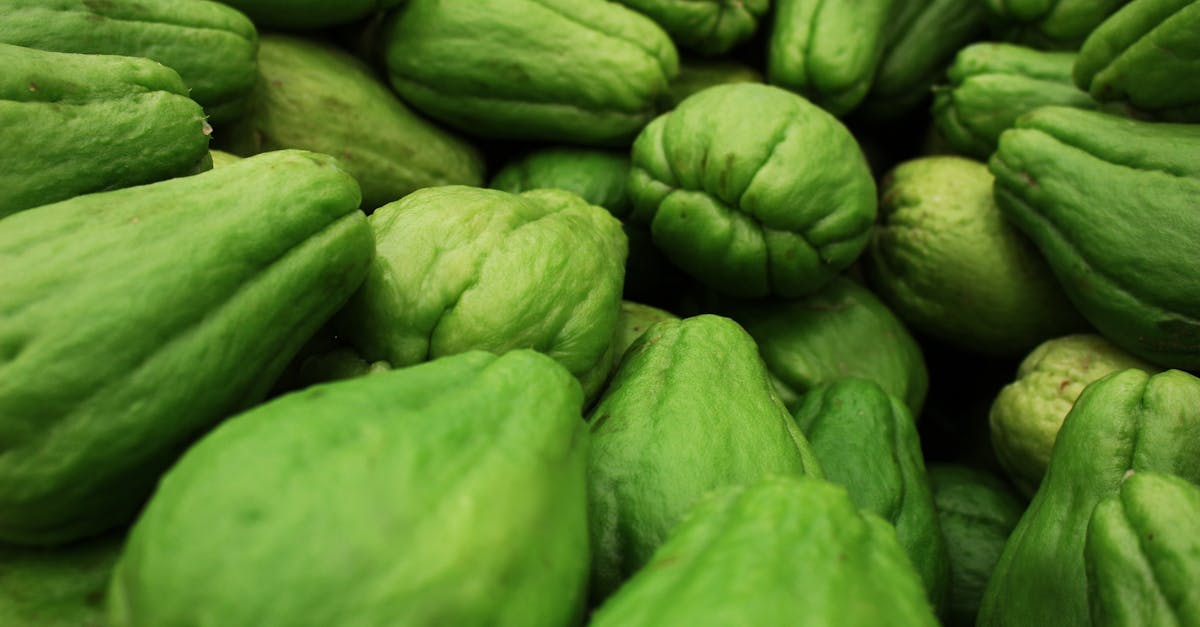
Chayote is a staple in many markets across Mexico, easily identified by its firm green skin and subtle, fresh aroma when sliced. Though unassuming, chayote packs a unique combination of nutrients: high water content, fiber, vitamin C, folate, and potassium. It’s not a miracle food, but its consistent inclusion in meals can gradually make a difference in how you feel.
Chayote’s nutrients work together in ways that may benefit your daily routines. Vitamin C supports blood vessels and helps the body absorb plant-based iron; folate plays a role in forming red blood cells, especially relevant for those concerned with anemia; and potassium is important for muscle function and fluid balance. Its gentle nature means it is easy to digest and to incorporate frequently, boosting potential benefits over time.
Eight Potential Ways Chayote May Improve Your Routine
1. Lighter Legs Through the Day
With its potassium and water content, chayote can support fluid balance and muscle function, possibly reducing that familiar end-of-day heaviness in your legs. Its light texture also helps prevent digestive discomfort that sometimes contributes to overall fatigue.
2. Support for Red Blood Cell Production
Chayote contains folate, a key nutrient in red blood cell formation. While no vegetable can replace professional medical care for anemia, including natural folate sources could complement iron- and vitamin C-rich foods if you are working to address constant tiredness — always consult a healthcare provider for persistent symptoms.
3. Easier Movement and Comfortable Joints
Thanks to antioxidants and vitamin C, adding chayote to fresh salads or steamed dishes may support resistance to oxidative stress, potentially making joint stiffness less noticeable. It is not a medication, but can be part of an inflammation-aware eating pattern.
4. Fresher-Looking Skin
Your skin often reflects your habits. Chayote’s water and vitamin C can promote hydration and antioxidant protection, contributing to a natural glow, especially when paired with better sleep and lighter meals. It’s not about erasing wrinkles, but nurturing subtle improvements you’ll notice over time.
5. Gentler Digestion and Less Bloating
If you struggle with bloating or sluggish digestion, chayote’s fiber may encourage regularity without overwhelming a sensitive stomach. Enjoy it steamed or raw and grated for a crisp, apple-like crunch—an easily tolerated way to eat more vegetables.
6. Immune Support in Cold Season
Chayote contributes vitamin C to your diet, which plays a role in supporting immune function. While not a cure, it is a simple way to round out a vegetable-rich, balanced diet—especially valuable when added to soups and stews in colder months.
7. Hydration From Within, Without Feeling Heavy
Fatigue can sometimes mask dehydration. Because chayote is high in water and refreshing when cooked or served raw, it can help supplement your fluid intake. Try it with a squeeze of lemon, a hint of salt, or in a comforting broth.
8. Steadier Energy for Everyday Life
Improved digestion, better hydration, and an enhanced nutrient profile—factors supported by regular chayote consumption—may promote a more stable sense of energy day-to-day, noticeable in small changes like fewer pauses climbing stairs or boosted afternoon mood. The benefits build gradually, making consistency more important than intensity.
Key Nutrients in Chayote and Their Potential Roles
- Water: High — supports hydration and a lighter feeling
- Fiber: Moderate — aids digestion and satiety
- Vitamin C: Present — supports blood vessels and iron absorption
- Folate: Present — supports red blood cell formation
- Potassium: Present — helps liquid balance and muscle function
Simple and Flexible Ways to Enjoy Chayote
Start by choosing firm, even-colored chayotes. Wash thoroughly, and if the sap irritates your skin, peel them under running water or use gloves. Try these preparation methods for variety:
- Raw Salad: Grated chayote with lime, cucumber, cilantro, and a pinch of salt.
- Steamed: Steam for 10–15 minutes, then drizzle with olive oil, garlic, and oregano.
- In Broth or Stews: Add to chicken soups or mixed vegetable dishes for a traditional touch.
If you are new to chayote, begin with small servings to observe your digestion, especially if you have a sensitive stomach. For those with possible anemia or circulation issues, integrating chayote regularly alongside iron-rich foods and seeking professional guidance is recommended.
Remember, your diet alone cannot replace medical advice or treatment. Persistent or severe symptoms such as constant fatigue, significant paleness, or repeated pain warrant assessment by a healthcare professional.