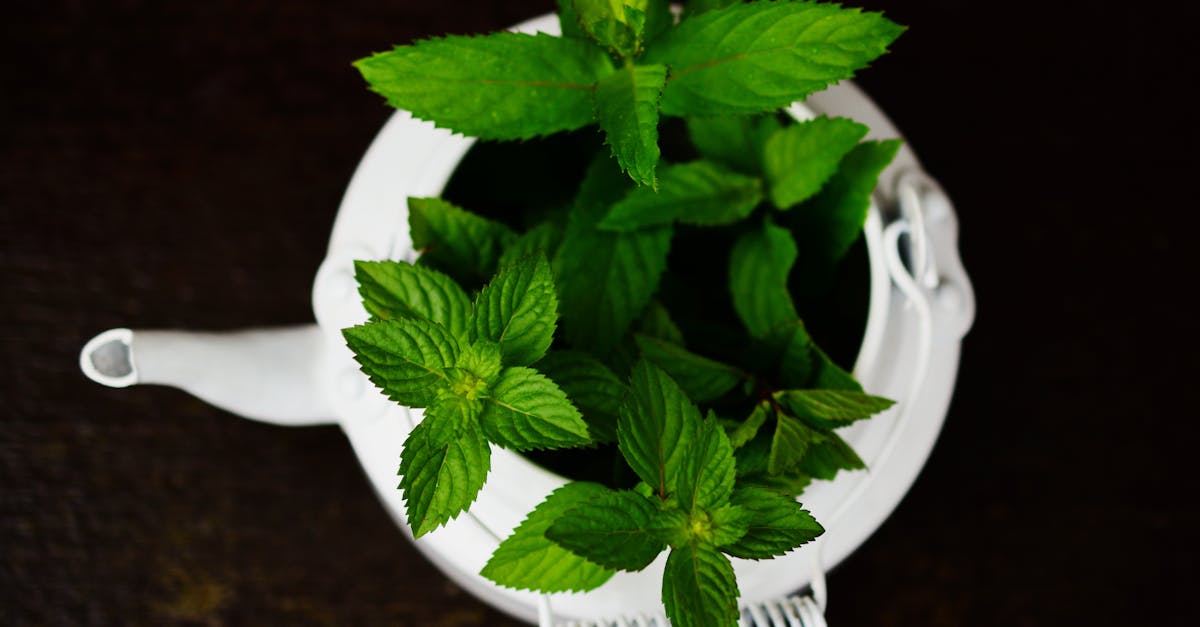
Waking Up with Stiff Joints? Everyday Herbs Might Help
If you have ever felt that familiar stiffness in your knees each morning, or noticed your hands are slow to move, you are not alone. Joint discomfort is common and can be influenced by age, previous injuries, muscle loss, stress, and inflammation. While no single solution can magically restore cartilage, small daily habits can help support comfort and mobility. In many Mexican households, fresh peppermint and rosemary are easily accessible—you find them at the market, in home gardens, or even on your grandma’s kitchen table. Their true value may lie in their everyday presence and the simple routines you build around them.
Why Peppermint Feels Like a Breath of Fresh Air for Your Body
Peppermint is appreciated for its refreshing aroma and is often used to soothe digestive discomfort, but it may also contribute mild anti-inflammatory and calming effects. Imagine enjoying a warm cup in the evening: not only does it provide comfort, but the entire ritual can encourage you to slow down. Many find that stress worsens pain, and incorporating peppermint into a mindful, relaxed routine may help you feel less tense and better able to manage discomfort.
Rosemary: Warmth, Circulation, and Easing Stiffness
Rosemary has a distinct, resinous scent reminiscent of countryside kitchens and is traditionally associated with boosting circulation and a gentle warming action. Using rosemary in warm infusions or compresses can feel especially soothing for chronic stiffness or after periods of inactivity. It contains essential oils and antioxidants which may help the body respond to inflammation. While not a cure, rosemary can play a supportive role alongside healthy movement and an anti-inflammatory diet.
The Combined Power: Eight Ways Peppermint and Rosemary Can Support Your Routine
1. A Calming Pause to Ease Tension
Taking a moment with this herbal infusion can mean less tension and greater mental relaxation, which sometimes translates into less perceived pain.
2. Gentle Warmth and Circulation
Warm compresses with rosemary and peppermint can comfort areas like knees, hands, or your back, inviting you to move more freely.
3. Supporting Inflammation Modulation
Both herbs contain natural compounds thought to help the body manage inflammation—consistency matters more than quantity here.
4. Digestive Support for a Lighter Feeling
Peppermint is often used to help digestion. When your digestion feels better, moving around can be easier.
5. Smoother Recovery after Gentle Activity
If gentle stretching or walking leaves you mildly sore, these herbs used as a tea or compress may help you recover comfortably, supporting your habit-building efforts.
6. Building Flexibility over Time
Regular use may lead to small improvements: less morning stiffness and quicker ease into movement—particularly when paired with rest, hydration, and gentle warmth.
7. A Ritual that Reinforces Self-Care
Consistently preparing a cup encourages mindfulness and self-care. Daily rituals often spark healthier choices in other areas of life.
8. Boosting Confidence to Move
Reducing discomfort and tension encourages movement, breaking the cycle of fear, immobility, and weakness that sometimes accompanies joint pain.
How to Prepare a Simple Herbal Infusion and Warm Compress
Ingredients: 1 cup fresh peppermint leaves (or 1-2 tablespoons dried), 1 sprig fresh rosemary (or 1 teaspoon dried), 2 cups water, and honey if desired. Heat water to a gentle boil, remove from heat, and add the herbs. Cover and steep for 8-10 minutes, then strain. Drink warm.
Suggested Uses: Start with one cup daily to see how you feel, increasing to two cups if well tolerated. For a compress, soak a clean cloth in the warm infusion, wring it out, and apply to the affected area for 10-15 minutes. The aromatic experience is part of the soothing effect—take a deep breath before your first sip.
Comparison Table: Peppermint vs. Rosemary Benefits
| Herb | Main Benefits | Feeling | Best Use |
|---|---|---|---|
| Peppermint | Freshness, digestive comfort, antioxidants | Reduced tension and heaviness | Tea after meals or at night |
| Rosemary | Invigorating scent, gentle warmth, antioxidants | Less stiffness and more activation | Tea, compress, or mild massage |
| Combination | Balancing calm and invigoration | More complete self-care | Alternate tea and compress |
Safety Guidelines and Practical Use
| Situation | How to Start | Reasonable Caution |
|---|---|---|
| Mild joint pain | 1 cup daily for 7 days | Discontinue if discomfort occurs |
| Sensitive digestion | Use less concentrated infusions | Avoid strong doses |
| If on medication or with high blood pressure | Small, steady portions | Consult a healthcare provider, especially if on anticoagulants or diuretics |
| Pregnancy or breastfeeding | Avoid regular use without guidance | Seek professional advice |
| Allergy risk | Test with a small amount | Stop at any sign of reaction |
Remember: Herbal remedies do not replace medical treatments. If pain is persistent or severe, consult a healthcare professional.