Nighttime Discomfort: A Common Yet Overlooked Issue
Many people know the frustration of lying in bed, lights off, yet their bodies and minds refuse to unwind. Stiff joints, restless thoughts, and an unsettled stomach often disrupt restful sleep. These struggles can easily become the nightly norm, especially for adults juggling busy days filled with stress, heavy meals, light exposure from screens, and not enough hydration. Over time, poor sleep quality affects mood, focus, cravings, energy, and general well-being. While some turn to supplements or sleep medications, there is a far simpler bedtime ritual that many overlook: sipping warm water with a pinch of natural salt.
The Simplicity and Benefit of Natural Salt
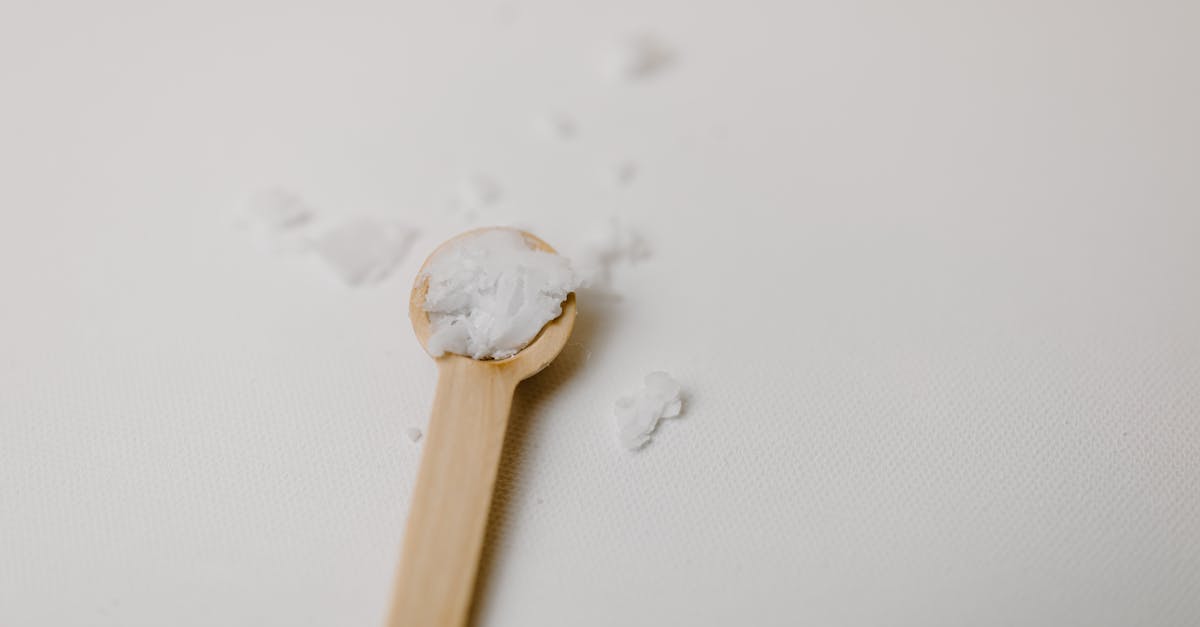
This nightly habit does not claim to cure or medically treat sleep issues. Instead, it serves as a gentle anchor—a small, mindful gesture signaling to your body that the day is ending. The key ingredient? Minimally processed sea salt or Himalayan pink salt, which still retain some naturally occurring minerals like magnesium, potassium, and calcium. Though these minerals are found in small amounts, many who adopt the ritual associate it with a feeling of balance and calm, particularly after stressful days.
Why Not Table Salt?
Refined table salt is more heavily processed and often consumed in excess through processed foods. The goal here is not to increase sodium intake indiscriminately, but rather to use a small, mindful dose of natural salt. This approach may not be suitable for people who already eat a lot of salty foods or who need to limit sodium for medical reasons. Always consider your own dietary needs and consult a professional if unsure.
Natural Salt vs. Refined Salt (for nighttime rituals)
- Sea salt or Himalayan salt: Minimal processing, milder and more rounded flavor, best used in moderation as an occasional bedtime ritual.
- Refined table salt: Highly processed, more intense taste, usually best limited, especially if your diet is already high in sodium.
How to Prepare a Gentle Nighttime Drink
This routine requires no complex recipe. You need:
- 1 glass of warm (not hot) water (about 200 ml)
- 1/4 to 1/2 teaspoon of natural sea salt or Himalayan salt (start with the lower amount)
- Optional: a few drops of lemon or a tiny amount of raw honey for taste
Heat the water to a comfortable, warm temperature and dissolve the salt completely. Sip slowly, like you would a calming tea, about 30 minutes before going to bed. The warmth soothes the nerves, and the slow ritual helps prepare the mind and body for rest. Drinking in a rush reduces the benefits; being intentional with this act is just as important as the ingredients.
Reported Benefits (Ranked from 9 to 1)
- Reminder to slow down before sleep: The act of preparing and drinking warm water encourages putting away devices, turning off lights, and signaling your body to transition into rest mode.
- Calmer digestion at night: Those who eat heavy meals may find that sipping warm water can feel soothing and help encourage earlier, lighter dinners.
- Less puffiness in the morning: With improved hydration and lighter dinners, some report waking up feeling less bloated. However, if you have marked fluid retention or hypertension, seek medical advice first.
- Mental relaxation anchor: Creating a bedtime ritual without screens may help quiet anxious thoughts and prepare the brain for sleep.
- More comfortable joints: Some people associate a proper fluid and mineral balance with less joint stiffness. While not a replacement for medical care, this ritual can assist in unwinding.
- Steadier morning energy: Better sleep quality can translate to more stable energy during the day, potentially reducing the need for excess caffeine and sugar.
- Encouragement of consistency: The simplicity of this routine makes it easier to stick with and self-monitor, helping you better understand your body’s responses to small changes.
- Sensations of balance before bed: For some, this ritual supports calmer evenings and can help reduce late-night snacking or the temptation to reach for less healthy drinks.
- Improved sleep, improved life: Ultimately, anything that supports deeper, uninterrupted sleep has wide-reaching effects—from appetite and inflammation to movement and mood. While not a magic fix, nurturing a nighttime habit grounded in calming signals to your body can play an important part in holistic well-being.
Before making any changes to your diet or nighttime routine, especially if you experience persistent or serious symptoms, it’s best to consult a healthcare professional. This ritual is offered as a gentle practice for those without contraindications and should be tailored to individual needs.