The Allure and Mystery of Datura stramonium
If you’ve ever passed by a wild field at dusk and noticed luminous, trumpet-shaped white flowers, you may have felt both admiration and unease. Datura stramonium, often known as Jimsonweed or “toloache,” evokes fascination and a natural wariness in those who encounter it. But what exactly is this striking plant: a misunderstood healer or a significant threat hiding in plain sight?
Natural Doesn’t Always Mean Safe
There is a persistent idea that plants used in traditional remedies must be safe. This belief is especially strong regarding Datura stramonium, with its long history in Indigenous rituals and folk medicine across Mexico, India, and Europe. However, tradition is not a guarantee of harmlessness, and Datura stands among the most potent—and risky—herbal examples.
Understanding Datura stramonium
Datura stramonium belongs to the nightshade family, which also includes belladonna and tobacco. It thrives in abandoned lots, open fields, and roadsides. The plant requires no encouragement to grow; its large, sometimes faintly purple-tinged flowers open at twilight, while its spiky fruit conceals dark seeds of remarkable potency. Crucially, every part of the plant is considered toxic.
Between Medicine and Risk
Historically, Datura has been used by shamans for visionary experiences, by Indian traditional healers as topical treatments for severe pain, and even by European physicians in the nineteenth century as a respiratory remedy. These practices sit alongside reports of hallucinations, memory loss, and unexplained fatalities, reflecting both the intrigue and peril that surround this plant.
Five Reported Medicinal Properties (And Their Risks)
Note: The following points are for educational purposes only. Datura stramonium is highly toxic; even small mistakes in dose can have dangerous consequences.
1. Respiratory Relaxation
Some traditional accounts describe using Datura leaves to “open the chest” and ease breathing. Lab studies show certain compounds may relax the airways, influencing some contemporary respiratory therapies. However, improper dosage can easily turn therapeutic intent into severe poisoning.
2. Antispasmodic Effect
Alkaloids like hyoscyamine can lessen muscle spasms and pain, but they also carry the risk of racing heartbeat and intense confusion. The difference between help and harm is minimal.
3. Antimicrobial Activity
Controlled extracts have demonstrated activity against some bacteria in laboratory settings, a factor behind Datura’s historic use for wounds. Still, laboratory efficacy does not translate to safe or predictable home use.
4. Topical Applications for Skin Issues
Traditional ointments containing Datura were sometimes applied to boils and inflammations. Despite some anti-inflammatory properties, absorption through the skin can still result in toxic side effects.
5. Sedative Properties
Certain alkaloids in Datura affect the central nervous system, causing drowsiness at very tiny doses. Unfortunately, slightly higher amounts can quickly cause dangerous delusions and loss of control. It is impossible to know in advance when that threshold is crossed.
The Significant Risks of Datura stramonium
Anticholinergic Syndrome
Datura’s principal toxins—atropine, scopolamine, and hyoscyamine—block acetylcholine, an essential neurotransmitter. Symptoms include extreme dry mouth, dilated pupils, rapid heartbeat, confusion, high fever, convulsions, and, in severe cases, death.
Hallucinations and Cognitive Effects
Instead of mystical visions, Datura intoxication leads to terrifying hallucinations, severe disorientation, and, often, long-term memory gaps. Some individuals report not recognizing familiar people or wandering aimlessly for hours or days with no memory of the experience.
Damage to Vital Organs
Animal studies have found evidence of liver and brain harm, while some human cases involve lasting neurological effects.
The Danger of Seeds
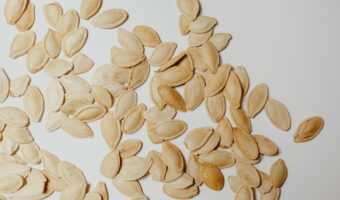
Just a few seeds can cause severe poisoning. For children, pets, and vulnerable adults, any exposure is particularly dangerous.
Variable Potency
The toxicity of Datura varies widely depending on climate, soil, and its growth stage, which makes any non-expert use extremely risky.
Real-Life Incidents
There have been documented cases where people have mistakenly used Datura seeds as culinary spices, resulting in hospitalizations and, occasionally, deaths. Curiosity-driven experimentation, especially among young people or through accidental ingestion by pets, can have devastating outcomes.
Who Must Avoid Datura stramonium Completely?
- Children and teenagers
- Pregnant or breastfeeding women
- Those with heart issues or glaucoma
- Anyone with a history of mental health disorders
Exposure should be avoided entirely. If Datura is present in your environment, safety precautions are essential: always handle the plant with gloves, ensure it is kept away from children and pets, and never ingest it under any circumstance.
Better Alternatives for Common Ailments
Modern options provide safer and effective care. For respiratory discomfort, consider prescribed therapies or gentle herbal teas such as licorice root. For pain, look to turmeric, ginger, or arnica. For skin health, marigold (calendula) and aloe vera are widely recognized. Chamomile, passionflower, and valerian are mild options for supporting restful sleep. These alternatives do not carry the life-threatening risks associated with Datura.
A Plant to Respect, Not Experiment With
Datura stramonium is remarkable for both its beauty and its powerful, perilous chemical makeup. Understanding its story does not justify experimentation. In many cases, the wisest choice is admiration from a safe distance. Nature commands respect, and Datura is a vivid reminder of the need for caution and informed choices.
This article is for informational purposes only and does not replace professional medical advice. If you experience concerning symptoms, seek guidance from a qualified healthcare provider.